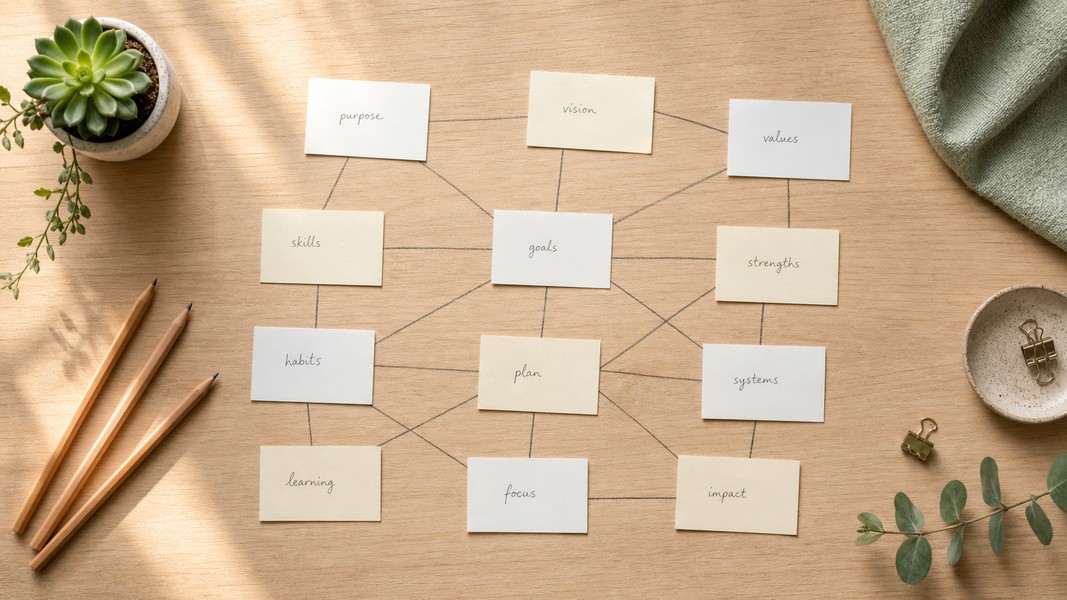
Zettelkasten: How to Build a Knowledge System
July 24, 2026
Learn how the Zettelkasten method works, why linked notes beat linear notebooks, and how to build your own knowledge system from scratch.

March 3, 2026
The best Evernote alternatives for students in 2026 are Notion, Obsidian, OneNote, RemNote, GoodNotes, Notability, and AI-native study apps. Each solves a different problem: Notion for collaboration, Obsidian for deep research, OneNote for free cross-platform access, RemNote for spaced repetition, GoodNotes and Notability for iPad handwriting, and AI-powered apps for lecture capture and study generation.
If you are on Evernote and considering switching, you are not alone. Evernote dropped from 9.6 million downloads in 2017 to 1.7 million in 2023, a 43% decline in a single year. Pricing changes, a free tier capped at 50 notes, and the absence of any study-specific features have pushed students toward alternatives that do more with the content they capture.
Here is what each alternative does well, who it suits, and how to choose.
Evernote's free plan is now one of the most restrictive in the market: 50 notes, one notebook, 250 MB of monthly uploads, and access on one device plus web. That is not enough for a single semester, let alone four years of coursework.
The pricing restructuring that followed Bending Spoons' acquisition introduced storage limits for the first time in Evernote's history. Costs rose more than 70% for many users on renewal, and Evernote's new AI features are locked behind the highest-tier plan. Students are being asked to pay premium prices for AI tools while competitors offer more for free or at lower cost.
Beyond pricing, Evernote has no quiz generation, no flashcard creation, no spaced repetition, no voice transcription, and no support for processing YouTube videos or PDFs into study materials. It captures notes well. It does not help you learn from them.
Performance issues compound the frustration. The app runs heavy, syncs inconsistently, and has generated reports of account lockouts that cut students off from their notes entirely. Customer support, when needed, is largely automated and slow to resolve complex issues.
| App | Best For | Free Tier | AI Study Tools | Multi-Modal Input |
|---|---|---|---|---|
| Notion | Collaboration, research projects | Generous, unlimited notes | Paid add-on | No |
| Obsidian | Deep research, knowledge graphs | Free forever | Plugins only | No |
| OneNote | Microsoft ecosystem, free access | Free | No | Partial |
| RemNote | Exam prep, spaced repetition | Limited | Yes (flashcards, quizzes) | No |
| GoodNotes | iPad handwriting, annotation | 3 notebooks | AI summaries | No |
| Notability | iPad with audio sync | Limited | No | Audio only |
| Voice Memos | Lecture capture, full study suite | Yes | Yes (quizzes, flashcards, mind maps) | Yes |
Notion works as a unified workspace where you keep lecture notes, research databases, assignment trackers, and reading lists in the same place. The block-based structure lets you build pages the way you think, not the way the app forces you to think.
The standout feature for students working in groups is real-time collaboration. Multiple people can edit the same page simultaneously, with live cursor tracking and automatic author attribution. For group projects, shared study guides, or courses where a team manages a shared knowledge base, Notion handles this better than any other alternative on this list.
The free plan covers individual students well, with unlimited notes and basic functionality. Collaboration features and higher file limits require a paid plan. Notion AI costs extra and adds summarization and text generation, but it is not essential for core note-taking.
Limitation: Notion requires internet connectivity. If your lecture hall has poor WiFi or you study in areas with inconsistent service, Notion will slow you down. The abundance of features also means a real setup investment upfront.
Best for: Students managing complex multi-course workflows, group projects, or research that spans databases, task management, and notes.
Obsidian stores every note as a plain Markdown file on your local device. Nothing lives in the cloud unless you choose to sync it. This means full offline access, complete data ownership, and no subscription required for core functionality.
The reason researchers and thesis writers gravitate toward Obsidian is the bidirectional linking system. You create links between notes using double brackets, and Obsidian automatically shows you where each note is referenced across your entire library. The graph visualization renders your entire knowledge network as an interactive map, which makes conceptual gaps visible and helps you identify where research is thin.
Obsidian is completely free for personal use. Optional sync costs extra, but many students achieve cross-device sync through iCloud or Dropbox at no added cost.
Limitation: The learning curve is steep. You need to be comfortable with Markdown and willing to configure plugins to get the most from the platform. Obsidian is not designed for collaboration, so it is a poor fit for group work. It also lacks native multimedia support, making it less suited for video-heavy or audio-heavy study workflows.
Best for: Graduate students, thesis writers, and researchers in fields requiring extensive cross-referencing and knowledge mapping.
OneNote is free, works on Windows, macOS, iOS, Android, and web, and requires only a Microsoft account. For students whose institution provides Microsoft 365, OneNote is already available at no extra cost.
The freeform canvas is genuinely flexible. You can click anywhere on a page to add content: typed text, drawn shapes, pasted images, embedded audio, or hand-annotated lecture slides. This works well for students who mix content types within a single note or frequently annotate PDFs and presentations. The Class Notebook feature, when instructors use it, creates a structured submission and feedback environment directly within OneNote.
Integration with the rest of Microsoft 365 is tight. Word documents, Excel files, and PowerPoint slides can be embedded in notes, keeping research and writing materials in the same environment.
Limitation: OneNote's experience varies across platforms. The Windows app is the most complete; mobile and web versions lag behind in consistency and search quality. OCR for handwritten text requires manual triggering on mobile. The organizational model, notebooks containing sections containing pages, is more rigid than Notion or Obsidian for complex course structures.
Best for: Students in Microsoft-heavy academic environments who want a free, functional, multi-platform note-taking app without learning curve overhead.
RemNote combines note-taking, PDF annotation, and flashcard creation in a single environment built around a spaced repetition algorithm. You write notes, highlight PDFs, and automatically generate flashcards within the same workspace. The system then schedules reviews at scientifically optimal intervals to maximize long-term retention.
The AI flashcard generation removes one of the biggest friction points in spaced repetition study: creating the cards. Upload a PDF, a transcript, or a set of notes, and RemNote identifies key concepts and generates cards with explanations. An AI tutor chat lets you ask questions about your notes and receive grounded answers. An exam scheduler takes your exam dates and builds a daily review plan.
RemNote is free for personal use with limits. Paid plans remove limits on cards and storage.
Limitation: RemNote is specialized. It excels at retention and exam preparation but is not a general-purpose note organization tool. If your primary need is collaborative note management or research architecture rather than study generation, other alternatives serve you better.
Best for: Students preparing for high-stakes exams where retention of large volumes of material is the core challenge, including medical, law, and grad school students.
If your primary device is an iPad with Apple Pencil, GoodNotes and Notability are the best alternatives to Evernote for handwriting-based workflows. Both let you import lecture slides and PDFs, annotate them directly with handwriting, and search your handwritten text.
GoodNotes has invested in AI features including note summarization, flashcard creation directly from handwritten content, and a query interface for finding information across notebooks. If you want to turn handwritten lecture notes into study materials without retyping them, GoodNotes makes that possible.
Notability takes a different approach with synced audio recording. You record a lecture while writing, and later tapping any note in Notability plays back the audio from the moment that note was written. For dense lectures where you miss details while writing, this is the most reliable way to fill gaps without replaying the entire recording.
For students who process lectures through voice recordings, PDFs, and YouTube and want all of that automatically turned into structured notes, quizzes, and flashcards, Voice Memos handles the full multi-modal pipeline that GoodNotes and Notability were not built for. AI study tools built around voice-first input solve a different problem than stylus-first apps, and knowing which problem you actually have will determine which tool fits.
Limitation: Both apps are iPad-native. On other platforms, the experience degrades significantly. Neither supports the research linking, collaboration, or multi-modal input that students beyond iPad handwriting workflows need.
Best for: iPad-primary students who annotate lecture slides and textbooks by hand and want AI-assisted review of handwritten notes.
For students whose main challenge is converting captured content into actual study materials, Voice Memos addresses the workflow that Evernote, Notion, Obsidian, and OneNote do not touch. It accepts voice recordings, PDFs, YouTube URLs, images, and typed text, then automatically extracts structured notes, action items, events, contacts, and reminders from any input.
The study suite goes further than any other alternative on this list. AI-generated quizzes, flashcard decks with spaced repetition scheduling, mind maps, and a deep research mode are all built in. You record a lecture and get a transcript, structured notes, and a set of flashcards ready for review. You paste a YouTube URL and the same pipeline runs on the video's content.
The dyslexic-friendly formatting feature restructures content using patterns shown to improve readability for dyslexic learners, and transcription works across 40+ languages with automatic translation. For students studying in a second language or using dyslexia accommodations, these are the only purpose-built features available in any note-taking app.
If you already use tools like Notion or Obsidian for organizing research, it pairs well as the capture and study-generation layer. You record and process in the app, then organize finished notes wherever your existing workflow lives.
Best for: Students who record lectures, process PDFs, and want AI to generate study materials automatically rather than building them manually.
For a completely free replacement, OneNote and Obsidian are the strongest options.
OneNote is free with a Microsoft account and provides unlimited notes, cross-platform access, and freeform canvas functionality. It does not offer study-specific AI features, but it covers basic note capture and organization without a spending limit.
Obsidian is free forever for personal use, stores notes locally, and provides the most powerful knowledge management system available at no cost. The trade-off is the learning curve and the absence of collaboration features.
If free access with AI study features is the priority, some AI note-taking apps offer a free plan covering basic voice recording and transcription, with study mode access on paid tiers.
Start with your primary device and workflow.
If you use an iPad with Apple Pencil as your main study device, GoodNotes or Notability will serve you better than anything built for keyboard and mouse. The handwriting and annotation features justify the specialization.
If you primarily type notes and need collaboration for group projects, Notion handles that better than any other alternative, with the caveat that it requires consistent internet access.
If you are a researcher or thesis writer who needs to build connections between hundreds of notes and prefers offline-first access, Obsidian is built for that workflow specifically.
If exam preparation and retention are your primary challenges, RemNote's integrated spaced repetition system is purpose-built for that use case.
If your lectures are in audio form, your course materials are in PDFs, and you want the app to do the work of converting those into quiz questions and flashcards, AI-native study apps like Voice Memos handle the full pipeline from capture to study in a way that traditional note-taking apps were not designed to do.
Evernote built its reputation on search and storage. Most of what replaced it is doing something different: turning captured content into something you can actually learn from.
Evernote's free tier limits, pricing increases, and absence of study-specific features have made switching a practical necessity for many students. The 7 alternatives covered here span collaborative workspaces, local knowledge management, spaced repetition systems, iPad handwriting apps, and AI-native lecture processing tools.
The best Evernote alternative is the one that matches how you actually study. If you take handwritten notes on iPad, that points one direction. If you record lectures and want AI to generate your study materials, that points another. Identifying the gap Evernote left in your specific workflow narrows the field quickly.
Discover more insights and tips to enhance your productivity
Learn how the Zettelkasten method works, why linked notes beat linear notebooks, and how to build your own knowledge system from scratch.
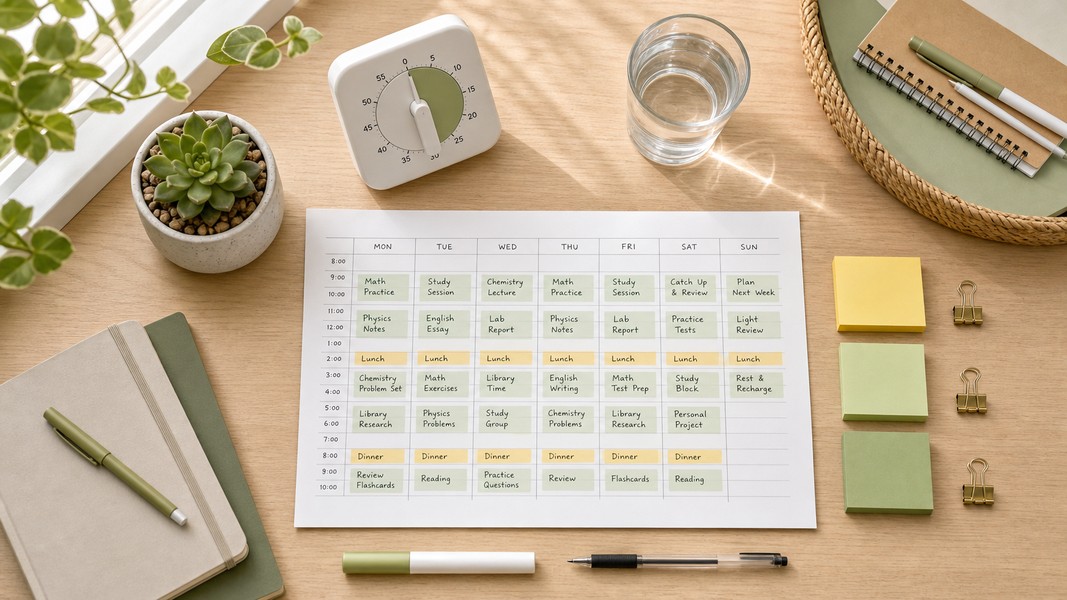
Struggling to manage your time as a student? These 7 evidence-backed tactics fix the real reasons students fall behind and waste hours.

Fathom AI is great for free Zoom notes, but it has real limits. Here are the best fathom ai alternatives for meetings, students, and multi-format capture.