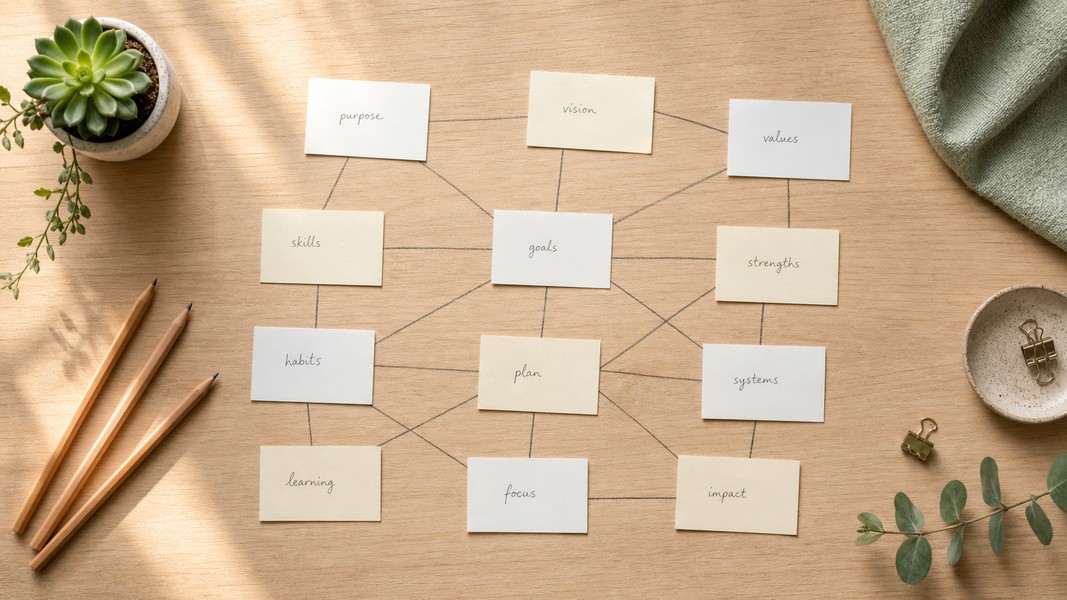
Zettelkasten: How to Build a Knowledge System
July 24, 2026
Learn how the Zettelkasten method works, why linked notes beat linear notebooks, and how to build your own knowledge system from scratch.


April 29, 2026
Notta AI is an AI-powered transcription and note-taking app built for meetings, lectures, and interviews. The short version: it delivers strong multilingual transcription with clean AI summaries, but the free plan is too limited for real use and the tool doesn't push far beyond transcription into deeper analysis or study functionality.
If you're weighing Notta AI against other options, here's a complete look at what it does well, where it falls short, and who should actually use it.
Notta converts live or recorded audio into written transcripts, then layers AI summarization and action item extraction on top. You can feed it live meeting audio through integrations with Zoom, Google Meet, and Microsoft Teams, or upload an existing audio or video file. It also accepts YouTube URLs for processing online content.
The output goes beyond a plain transcript. Notta generates AI-powered summaries, flags action items, and produces visual mind maps that organize key discussion topics into a branching structure. The platform runs as a web app, iOS and Android apps, and a browser extension, with calendar sync to auto-join scheduled meetings.
AI note-taking apps span a wide range. Some, like Voice Memos, combine transcription with study tools — quiz generation, flashcard creation, and multi-format input processing. Notta sits firmly in the transcription-first category, optimized for meeting documentation rather than learning workflows.
Notta's standout feature is its language coverage. The platform supports transcription in 58 languages with real-time translation, which puts it well ahead of most competitors. Otter.ai handles English, Spanish, and French. For international students processing lectures in a second language, or global teams holding cross-language meetings, that gap matters.
Notta quotes 98.86% transcription accuracy in its documentation, and independent tests confirm it holds up well with challenging audio, including bilingual content mixing languages like English and Japanese. Technical terms, acronyms, and speaker transitions tend to come through accurately.
Accuracy does depend on audio quality. Filler words and simultaneous speakers require manual cleanup, and the editing interface is functional but not built for heavy revision. Expect some review time for longer or lower-quality recordings.
After transcription, Notta applies AI to extract a structured summary, identify action items, and generate a mind map. The mind map organizes key topics visually, showing how discussion threads branch from central themes. One user noted the feature cut their post-meeting review time in half when preparing follow-up documentation.
The summaries are useful for a quick overview but can read as generic. They capture the content of a meeting without much insight into the significance of what was discussed. For straightforward meeting recaps, this is fine. For complex conversations where context matters, you'll want to supplement with your own notes.
Speaker identification attributes statements to individual participants without requiring manual tagging upfront, though it can slip when multiple people speak over each other or when participants aren't introduced clearly during the meeting.
Notta's bot joins Zoom, Google Meet, and Microsoft Teams directly from your calendar. Once configured, it auto-joins scheduled calls without any manual action at the start of each meeting. The platform also connects to CRM tools and workflow apps through Zapier, which is practical for sales and operations teams routing transcripts into their existing systems.
For students and researchers, the YouTube URL input handles most online lecture content and recorded seminars. Paste a link, and Notta produces a transcript and summary from the video without downloading anything. Standard file format exports cover sharing and archiving.
The free plan provides 120 minutes of transcription per month with a 3-minute limit per file. In practice, this is more of a demo tier than a working product. A single one-hour meeting uses half your monthly allocation, and the 3-minute per-file cap prevents processing anything substantial.
The Pro plan unlocks 1,800 minutes per month with a per-file cap of up to 5 hours, and adds exports, real-time translation, custom vocabulary, and Zapier integrations. At around $8.17 per month on annual billing, it sits at the more affordable end of the AI note-taker market. The Business plan adds video recording capability and runs around $16.67 per month.
The 5-hour per-file cap on Pro and Business plans is worth noting. Day-long conferences, full-semester lecture recordings, or extended research interviews could hit that ceiling. Enterprise plans remove the restriction but require custom pricing for larger teams.
Multilingual transcription is Notta's clearest strength. If your work involves languages outside the range that most tools handle, 58-language support with real-time translation makes a real difference. This is especially useful for international students, multilingual research teams, and organizations operating across regions.
The auto-join meeting bot also reduces meaningful friction for professionals handling back-to-back calls. Not having to manually start a recorder each time, and knowing transcripts will appear in your workspace after each meeting, streamlines the documentation workflow.
The mind map output stands apart from what most transcription tools offer. Most produce text; Notta produces text plus a structured visual summary that makes it faster to grasp meeting content at a glance. For visual thinkers or anyone managing a high volume of recorded conversations, this is a practical time-saver.
At the Pro price point, the cost per transcription minute is competitive. For users who need reliable, high-volume multilingual transcription without enterprise-level investment, the value holds up.
The free plan is the most consistent criticism across user feedback. At 120 minutes per month with a 3-minute per-file cap, it functions as a trial rather than a standalone option. The pattern is consistently documented in user reviews across software platforms: people hit the limits within the first few days of normal use and find themselves upgrading faster than expected.
Notta transcribes accurately but doesn't analyze deeply. It captures what was said, not the why or how behind it. Tools built for sales use cases, like tl;dv or Fathom, add coaching analytics, deal tracking, and multi-meeting insights that Notta doesn't offer. If richer analysis of conversation patterns is a priority, those tools fill a gap Notta leaves open.
There's also no video clip or highlight reel functionality. Competitors like tl;dv include unlimited video clip creation even on free tiers, making it easy to extract and share specific moments from a recording. Notta requires the Business plan just to enable video recording, and still doesn't offer a clip-creation workflow.
The editing interface for correcting transcripts works, but it's not designed for heavy revision. Users doing detailed transcript work for publication or legal purposes will find the tooling limited compared to dedicated transcription editors, a gap that surfaces regularly in platform reviews.
Notta's primary advantage over Otter.ai is language breadth. Otter offers stronger English-language speaker identification and tighter team collaboration features, but its language support is narrow. Notta wins for anyone working outside that range.
Against Fireflies, the comparison is closer. Both cover a wide range of languages and offer AI summaries with action item extraction. Fireflies is more oriented toward sales teams and charges more to unlock video recording. Notta's pricing structure gives it an edge for teams that don't need the sales-specific tooling.
tl;dv offers a more generous free plan than Notta, with unlimited recordings and video clips at no cost. Its transcription is strong for English-first use cases, but the multilingual support doesn't match Notta's depth.
For a broader view of the field, the guide to the best AI note-takers covers these tools across meeting, lecture, and professional use cases in more detail.
If your workflow extends beyond transcription to study preparation, there's a meaningful gap in what Notta provides. Voice Memos processes voice recordings, PDFs, images, and YouTube URLs to generate quizzes, flashcards, and mind maps from the content, covering the full path from captured material to study-ready output.
For more on how transcription fits into broader content workflows, the overview of how to transcribe audio to text covers the key methods and when each makes sense.
Notta is the right fit if you regularly work with multilingual audio, run meetings across language pairs, or need transcription support in a language outside what most tools handle. At the Pro price point, the cost per transcription minute is among the better values in the market for the accuracy and volume you get.
International students processing lectures in non-English languages, researchers conducting interviews across regions, and global teams handling mixed-language meetings will find it more capable than the field average.
Skip Notta if you're counting on the free plan for regular use, need built-in video clip creation, or want sales coaching and conversation analytics. tl;dv or Fathom are better choices for those use cases. If you need to go from captured content directly to study materials, Voice Memos handles voice recordings, PDFs, and YouTube videos alongside spaced repetition flashcards and AI-generated quizzes, covering the full study preparation workflow.
Notta AI delivers on its core promise: accurate transcription across a wide language range, clean AI summaries, and a meeting bot integration that reduces manual setup. The mind map output adds a useful visual layer that most transcription tools skip.
The free plan is not viable for regular work, the tool doesn't offer deep analysis beyond the transcript, and there's no video clip workflow. But for multilingual transcription with reliable accuracy at a reasonable price, it's a solid choice for the right user.
Discover more insights and tips to enhance your productivity
Learn how the Zettelkasten method works, why linked notes beat linear notebooks, and how to build your own knowledge system from scratch.
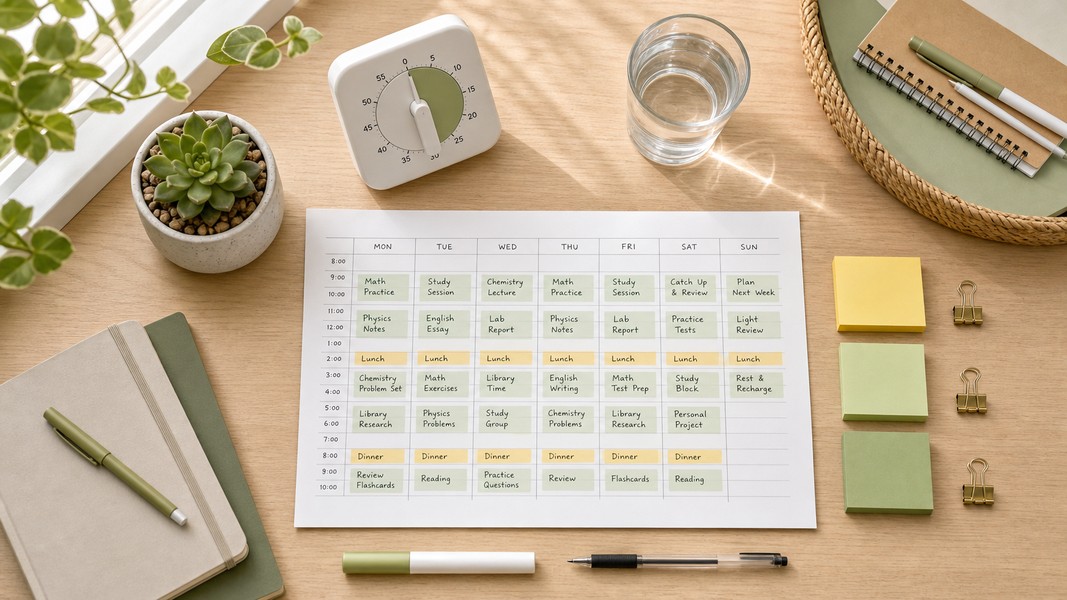
Struggling to manage your time as a student? These 7 evidence-backed tactics fix the real reasons students fall behind and waste hours.

Fathom AI is great for free Zoom notes, but it has real limits. Here are the best fathom ai alternatives for meetings, students, and multi-format capture.