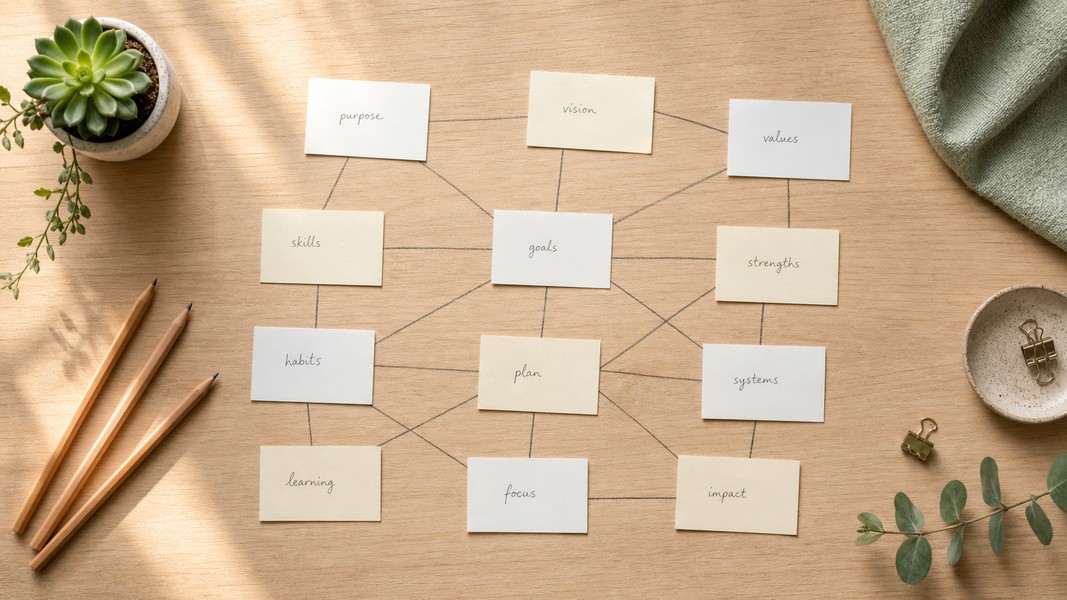
Zettelkasten: How to Build a Knowledge System
July 24, 2026
Learn how the Zettelkasten method works, why linked notes beat linear notebooks, and how to build your own knowledge system from scratch.

April 27, 2026
Effective note-taking means capturing the right information in a form you can actually use, not writing down everything you hear. Most students and professionals take poor notes without realizing it. They transcribe passively, never review, and end up with pages of content they won't remember a week later.
The good news: a few deliberate habits change everything. This guide walks through practical techniques for lectures, textbooks, and meetings, plus how to turn what you capture into material that actually sticks.
There's a fundamental trap in most note-taking: copying without thinking. When you transcribe slides verbatim or write down sentences word-for-word, you're processing language at a surface level. You're not evaluating, connecting, or understanding. You're just recording.
Research from University of Reading confirms what most students find out the hard way: passive copying produces notes that are lists of facts rather than understood concepts. And without understanding, retention disappears fast. The Ebbinghaus forgetting curve shows that without active review, most of what you capture is gone within 24 hours.
The fix is deliberate processing: paraphrasing in your own words, asking "why does this matter?", and connecting new information to what you already know.
Before a lecture, meeting, or reading session, spend two to three minutes on preparation. Set a clear objective: what do you actually need to get out of this session?
For lectures, glance at the slides or syllabus if available. For textbooks, survey the headings and summary before reading in full. For meetings, review the agenda. This priming step sounds minor but it isn't.
When you know what you're looking for, your brain filters out noise and flags relevant information automatically. You end up writing less and retaining more.
Lectures are the hardest context for note-taking because the information moves fast and you can't pause. The goal is not to write everything. It's to build a structured record you can review later.
Use the outline method as your default. Write main ideas at the left margin and indent supporting points below them. This creates a natural hierarchy that mirrors how lectures are actually organized: topic, subtopic, example. The structure is visible at a glance when you review.
For fast-paced lectures, combine recording with outlining. Use your device to capture audio while writing the structure by hand or in an app. The outline gives you context; the recording fills in details you missed. Voice Memos handles this well: it records audio and auto-transcribes the lecture in 40+ languages, so your notes are searchable immediately after class without manual transcription.
Keep abbreviations consistent. Develop your own shorthand for common words (w/ for "with", vs. for "compared to", ~ for "approximately"). Speed matters, but only if you can decode your abbreviations later.
Write one idea per line. When a new point starts, start a new line. This keeps the structure clean and makes it obvious where each idea begins and ends.
Reading is slower than lectures, which means you have time to think. But that same pace is why passive highlighting creeps in. Highlighting feels productive and isn't.
The more effective approach: read a section, close the book (or scroll away from the text), and write what you remember in your own words. This forces recall, which is far better for retention than copying what's in front of you. As Texas Southern University advises in its learning guides, active note-taking means paraphrasing rather than transcribing.
Be selective. You don't need to note everything. Focus on definitions, key arguments, cause-and-effect relationships, and anything that surprises you or seems counterintuitive. For structured subjects like history, law, or science, the charting method works well: create a simple table with columns for topic, key points, and examples. It forces compression and prevents you from copying full paragraphs.
Spacing matters more than most students realize. After you finish a reading session, wait a few minutes before reviewing your notes. That short gap tests whether you actually understood what you read or just copied it. If you can't reconstruct the main points from memory, go back and re-read with more intention.
For PDF-heavy subjects, AI tools reduce the friction significantly. Voice Memos processes uploaded PDFs and generates structured notes, flashcards, and quizzes from the content. Instead of spending an hour summarizing a textbook chapter, you spend that hour testing yourself on it.
Meeting notes serve a different purpose than study notes. The goal isn't to capture everything that was said. It's to record decisions, action items, and key information you'll need later.
Use a structured format with two columns: a notes column for what's being discussed and a cue column for actions, decisions, and follow-ups. This is borrowed from the Cornell system and works well for meetings because it keeps action items visible rather than buried in narrative text.
Box or flag anything with a deadline or owner. If someone says "let's revisit this next week," write it down with a box around it before moving on. The biggest meeting note failure isn't missing information. It's capturing it and never finding it again.
Compare notes with a colleague after important meetings. You'll catch gaps, confirm your understanding of decisions, and pick up action items that weren't clearly assigned.
This is the single most impactful habit you can build, and almost nobody does it consistently. Reviewing notes within 24 hours of capture dramatically reduces forgetting.
After a lecture, spend 10-15 minutes revisiting what you wrote. Clarify anything unclear. Add examples or connections you didn't have time to write during the session. Write a two-sentence summary of the main point at the bottom of your notes. This summary becomes your fastest review tool later: reading your own words activates the memory of the whole session faster than re-reading full notes.
If you don't review, you lose most of the value of taking notes at all. The effort goes into capture; the return comes from review. Skipping review is like taking detailed measurements and never using them. Consistent review is what separates students who retain material from those who have to relearn it before every exam.
For the Cornell system, the review happens in the "recite" step: cover your notes and use only the cue column to reconstruct the content from memory. This is active recall in practice, one of the most research-backed techniques for long-term retention.
Raw notes are not study material. They're a starting point. The real work is converting what you've captured into something you can practice with.
Flashcards pull key terms, definitions, formulas, or facts from your notes into question-answer pairs. The act of creating them is itself a form of review. Use spaced repetition to schedule them so you see the most difficult cards more often.
Quizzes work better for conceptual material where you need to understand relationships, not just recall isolated facts. Write practice questions from your notes and answer them a day later without looking at the source.
Mind maps reveal connections you might not have noticed when writing linearly. They work especially well for subjects with lots of interconnected concepts, where understanding how things relate to each other matters as much as knowing the facts.
Voice Memos generates all three formats from your captured notes automatically. Record a lecture, process the transcript, and the app creates a flashcard deck and quiz from the content. You can start active review the same day you capture, rather than spending hours making cards by hand.
Effective note-taking isn't about finding the perfect system. It's about having a system you use consistently.
Use a consistent structure for each context (lectures, readings, meetings) so your brain knows what format to expect when reviewing. Keep all notes for a subject in one place so review is easy to find. Schedule short review sessions rather than long cramming sessions: 15 minutes after each class adds up to far more retention than two hours before an exam.
The note-taking methods that work best are the ones you actually use. Pick an approach that fits your pace and stick with it long enough to build the habit before evaluating whether it's working. Consistency beats perfection every time.
Effective note-taking comes down to three things: capturing deliberately (not passively), reviewing consistently (within 24 hours), and converting what you capture into active study material. The method matters less than the process. Whether you use outlines, Cornell, or charting, the underlying principles are the same: paraphrase instead of copy, structure over volume, and review before you forget.
Discover more insights and tips to enhance your productivity
Learn how the Zettelkasten method works, why linked notes beat linear notebooks, and how to build your own knowledge system from scratch.
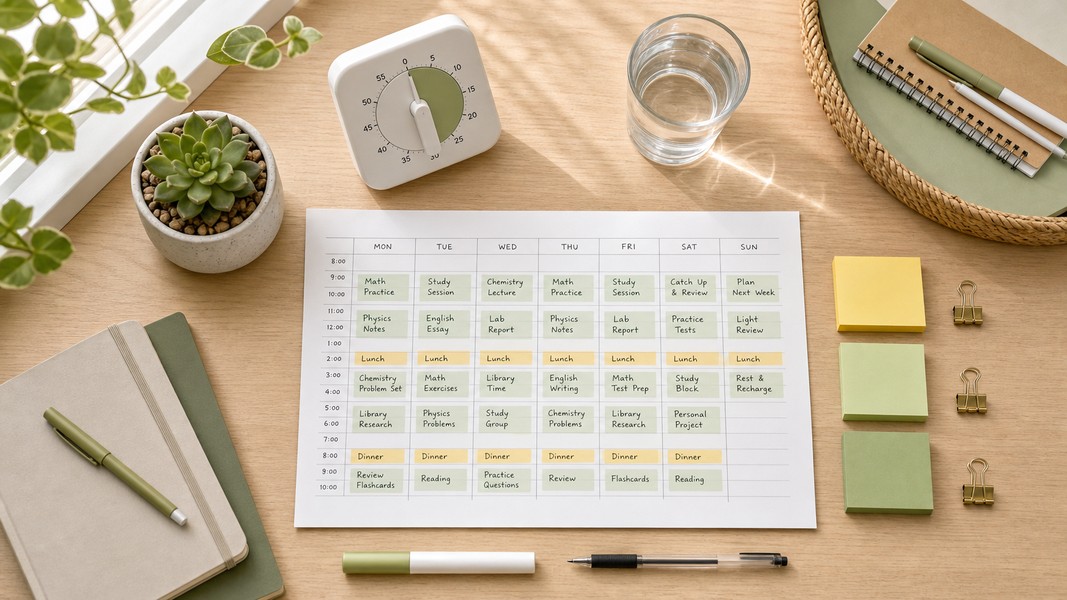
Struggling to manage your time as a student? These 7 evidence-backed tactics fix the real reasons students fall behind and waste hours.
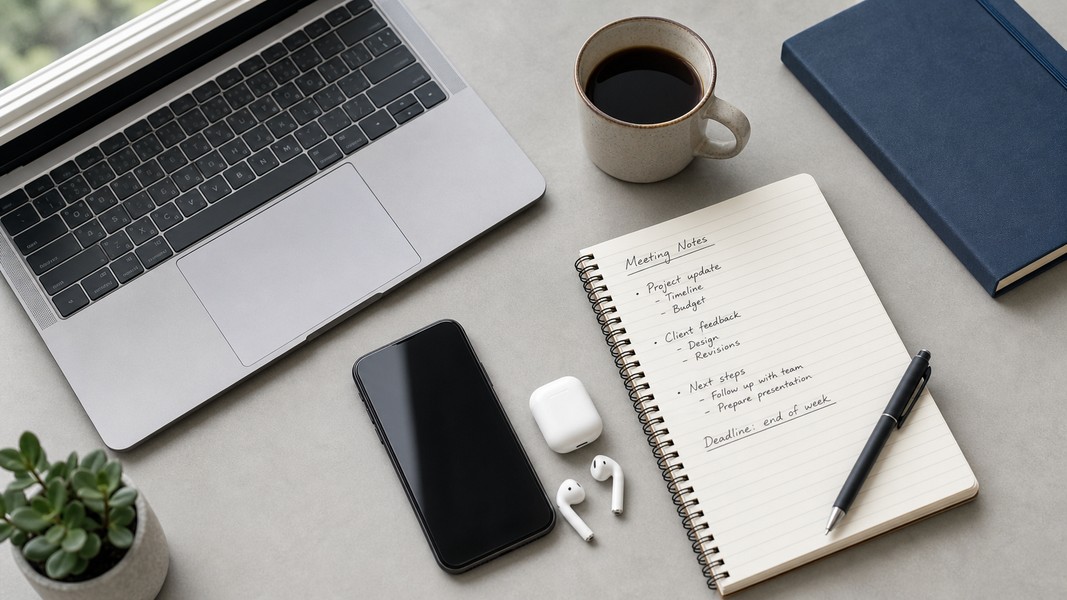
Fathom AI is great for free Zoom notes, but it has real limits. Here are the best fathom ai alternatives for meetings, students, and multi-format capture.