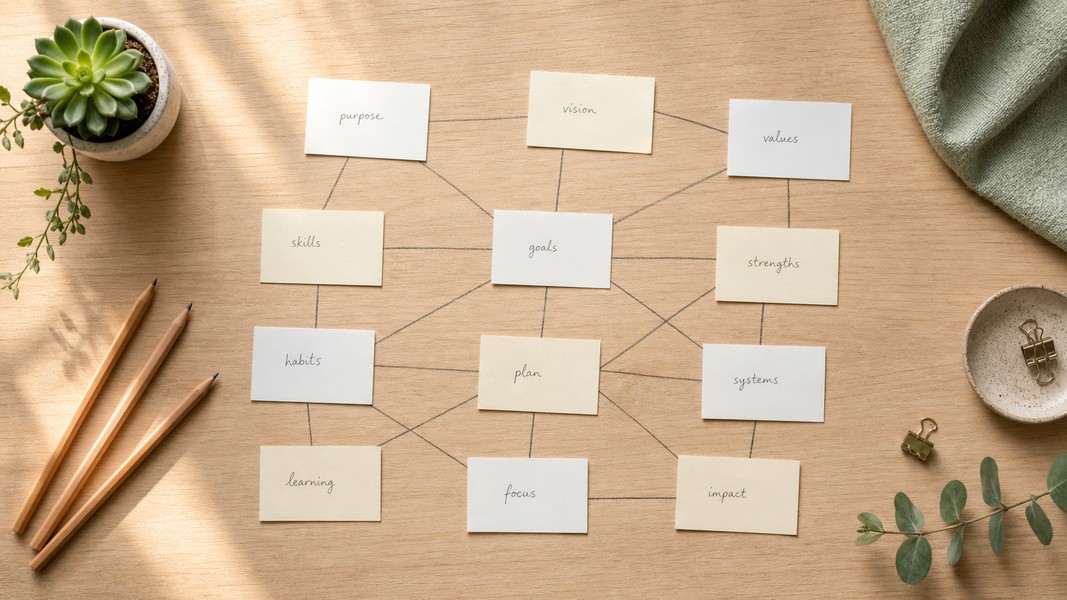
Zettelkasten: How to Build a Knowledge System
July 24, 2026
Learn how the Zettelkasten method works, why linked notes beat linear notebooks, and how to build your own knowledge system from scratch.


June 21, 2026
The best meeting notes app does more than capture words. It surfaces action items, tracks decisions, and reduces the administrative overhead that piles up after every call. The right tool means less time chasing follow-ups and more time executing on what was actually agreed.
If you're still taking manual notes during meetings, splitting your attention between listening and typing, you're almost certainly missing things. Missed commitments are one of the most common causes of project delays, and poor notes make it nearly impossible to reconstruct what was decided after the fact.
We tested seven leading options to help you find the best meeting notes app for your workflow, whether you're a Zoom-heavy sales professional, a remote manager working across time zones, or a consultant juggling inputs across calls, documents, and recorded sessions.
| Tool | Best For | Free Plan | Standout Feature |
|---|---|---|---|
| Voice Memos | Multi-modal AI capture | Yes | 6-category action detection |
| Otter.ai | Real-time transcription | Yes | Live collaborative notes |
| Fathom | Zoom-heavy teams | Yes | Auto highlight reels |
| Fireflies.ai | Team meeting intelligence | Yes | Searchable meeting archive |
| Granola | Mac-native note-takers | Yes | Personal AI notepad (no bots) |
| Notta | Multilingual teams | Yes | Translation across 50+ languages |
| Notion AI | All-in-one workspace users | Limited | AI inside your existing docs |
We looked at seven factors when ranking each option: transcription accuracy, action item detection, platform support, real-time versus async workflows, collaboration features, language support, and how well each tool fits the way professionals actually work.
No tool wins on every dimension. What separates them is the use case each is built around. A Zoom-first individual contributor has different needs than a global team lead managing async voice messages and recorded calls in multiple languages. The sections below break down exactly where each tool excels and where it falls short.
Best for: Professionals who capture information across multiple formats, consultants managing client commitments, and anyone who needs meeting notes alongside PDF, video, and image processing in one workspace.
Voice Memos goes further than recording audio. It processes five types of input: live voice recordings, typed text, PDFs, camera scans of handwritten notes or whiteboards, and YouTube video links. Every input gets the same AI treatment, which means a scanned whiteboard from an in-person meeting and a recorded Zoom call both feed into the same structured output.
The action detection layer is what truly distinguishes Voice Memos from standard transcription tools. After processing any input, the AI automatically classifies extracted items into six categories: tasks, events, reminders, locations, contacts, and notes. You don't flag anything manually. If someone says "let's schedule a follow-up next Thursday with Sarah at our Berlin office," the AI picks up the event, the contact, the location, and the reminder without any extra steps.
For professionals attending a mix of recorded calls, in-person meetings, and reference materials like client PDFs or training webinars, this unified capture workflow eliminates the tool-switching that typically fragments notes. You can dive deeper into how AI meeting notes work in a dedicated explainer if you want the technical breakdown.
Multilingual support is also a genuine differentiator. Voice Memos transcribes in 40+ languages with automatic translation, which matters for global teams or anyone working with clients in different languages.
Voice Memos is less established in the enterprise meeting-assistant category than Otter.ai or Fireflies.ai, which means third-party reviews and case studies are less abundant. Teams that rely heavily on CRM integrations or Slack automation may also find those connections less mature compared with dedicated meeting-bot platforms.
Voice Memos has a free plan, with paid tiers unlocking higher usage limits and the full feature set.
Best for: Knowledge workers and educators who need reliable real-time transcription, collaborative live notes, and a searchable history of past conversations.
Otter.ai is the benchmark that most meeting transcription tools are measured against. Its core strength is live transcription: all participants can see notes appear in real time, highlight key phrases, and add comments mid-meeting. That turns the transcript from a passive record into a shared working document.
Otter's real-time collaboration model is its clearest differentiator among transcription-focused tools. Post-meeting, it generates summaries, pulls out keywords, and surfaces potential action items. The search functionality across past meetings is genuinely useful, letting you find any decision or topic from months of conversations without scrubbing through recordings.
The platform connects with Zoom, Google Meet, and Microsoft Teams, covering the majority of professional meeting workflows. For teams that primarily work in English and need dependable transcription with solid collaboration features, Otter is a reliable default.
Otter is meeting-centric by design. It doesn't process PDFs, camera scans, or YouTube links, so professionals who work across different input types will hit its limits quickly. Advanced features like higher transcription limits and team admin controls sit behind paid tiers, which can be a friction point for smaller teams.
Best for: Sales reps, account managers, and consultants who spend most of their day in Zoom and want automatic recording plus highlight reels with minimal setup.
Fathom's approach to Zoom recording feels native rather than bolted on. You don't invite a separate bot into your call. Fathom integrates directly with Zoom and handles recording and transcription automatically once a meeting starts.
After each call, Fathom generates a summary, pulls key moments, and creates shareable highlight clips. For professionals who need to send recaps to stakeholders who missed a call, those highlights can condense a 90-minute meeting into a two-minute reel without any manual editing. Fathom's free tier covers the core use case fully, which has made it a popular entry point for individual contributors who want better meeting documentation without an upfront commitment.
Fathom is strong for individual capture and sharing but less suited as a team knowledge hub. Notes and summaries don't consolidate into a searchable shared archive the way Fireflies does, so organizations building institutional memory across a high volume of calls will need a different tool. The Zoom-first heritage also shows: teams that primarily use Microsoft Teams or Google Meet may find less feature depth.
Best for: Sales, customer success, and product teams that want searchable records, conversation analytics, and collaboration across a large volume of recurring meetings.
Fireflies.ai positions itself as meeting intelligence rather than just transcription. It joins calls as a bot participant across Zoom, Google Meet, and Microsoft Teams, then makes every meeting searchable by topic, person, or keyword. For teams running 20 or 30 calls a week, that search capability is what separates Fireflies from simpler recorders.
The meeting intelligence layer includes action item extraction, conversation analytics, and collaboration features that let team members comment on specific transcript segments. Sales teams use this to review calls, share coaching feedback, and verify whether key topics were covered. The searchable archive across all past meetings gives organizations a genuine institutional memory rather than scattered notes in individual inboxes.
The bot-participant model can feel intrusive on external client calls, where guests may be less comfortable with a visible recorder joining. Configuration and analytics also add some setup complexity that can slow initial rollout for smaller teams that just want to press record and get notes.
Best for: Mac-native professionals, founders, and product managers who want AI-structured notes without a bot joining their calls.
Granola takes a different approach entirely. Instead of joining your meetings as a bot, it runs as a macOS desktop app and enhances your own note-taking with AI. You type during the call, and Granola structures those notes into summaries, action items, and organized sections after the meeting ends.
Because there's no bot participant, Granola is less intrusive for external guests and can also be used for in-person meetings where you can't invite a recording tool to a Zoom link. For professionals who prefer personal control over what gets captured, that approach has real appeal. It's well-regarded among founders and product teams who work on Apple hardware, and its desktop-first design shows in the experience quality on macOS.
Mac-only means Windows users are excluded entirely. Granola is also a personal tool more than a team platform: it doesn't consolidate notes into a shared, searchable archive the way Fireflies or Otter does. Organizations that want institutional memory across many calls will need something else.
Best for: International teams, bilingual professionals, and anyone transcribing meetings or interviews across multiple languages.
Notta's translation features are the reason it appears consistently on international team shortlists. It supports transcription and translation across a wide range of languages, handles both online meeting platforms and in-person recordings via device microphone, and generates summaries and action items after each session.
The dual support for online and in-person meetings is a practical differentiator for teams that work in conference rooms as often as on video calls. For a project team coordinating across offices in different countries, or a researcher conducting interviews in multiple languages, Notta provides multilingual infrastructure that more English-focused tools simply don't offer.
Outside of language support, Notta offers a fairly standard meeting notes experience. It's not a full workspace, so teams still need to export action items to wherever tasks are actually tracked. Brand recognition is also lower than Otter.ai or Fireflies in North American markets, which can matter for organizations that want widely vetted enterprise tools.
Best for: Teams already using Notion for project management and knowledge bases who want AI to organize meeting notes within their existing workspace.
Notion AI doesn't record meetings. What it does is bring AI directly into the workspace where most teams already store their notes, tasks, and project docs. Once you paste a transcript or rough notes into Notion, the AI can summarize, extract action items, rewrite for clarity, or restructure content into any format your team uses.
For organizations that want meeting notes, project documentation, and task management in one system, Notion AI reduces the tool-switching that typically happens between a transcription app and a task manager. Notion's templates for recurring meeting types standardize what gets captured, and AI fills in or cleans up the rest. It's the only option on this list that works inside your existing knowledge base rather than alongside it.
Notion AI is only as good as the notes you put in. If someone is typing during a call, they'll still miss things. There's no recording, no live transcription, and no automatic capture unless you pipe a transcript from another tool into Notion first. For a fully automated workflow, you need a separate transcription tool alongside it.
Knowing which features matter most helps narrow the field before you commit to testing.
Transcription accuracy is the foundation. A tool that mishears names or misses key phrases creates more work than it saves, since you'll spend time correcting errors rather than acting on decisions.
Action item detection separates a basic transcription tool from a real meeting notes app. The best tools identify tasks, owners, and deadlines from natural speech and surface them without requiring you to flag anything manually. The guide on how to capture meeting notes and action items walks through this workflow in detail.
Platform support determines whether you can use the tool for all your meetings or only some. If your team uses Teams internally but your clients prefer Zoom, a single-platform tool creates gaps in your coverage.
Input flexibility matters more than most buyers expect until they try to capture an in-person meeting, a whiteboard photo, or a recorded training session and find their tool can't handle it. Apps that process voice, PDFs, camera scans, and video inputs save you from maintaining separate capture workflows for different contexts.
Language support is often overlooked until it becomes a hard blocker. For global teams or professionals working across multiple languages, multilingual transcription and translation is a requirement, not a feature.
Integration depth determines whether action items get tracked or buried. If the tool doesn't connect to your task manager, CRM, or communication platform, captured tasks often stay inside the notes app and go nowhere.
The right meeting notes app depends on how and where you work. Otter.ai and Fireflies.ai are the strongest choices for teams that want mature transcription with collaboration and search across a high volume of meetings. Fathom is the easiest entry point for Zoom-heavy individuals. Granola suits Mac users who prefer a personal, no-bot approach. Notta is the top pick for multilingual workflows. Notion AI works best as an add-on for teams already living in Notion.
Voice Memos stands out for professionals who deal with more than recorded calls, processing voice, documents, images, and video into a single organized workspace with automatic action detection across six categories. It fits professionals who need meeting notes as one part of a broader capture-to-action workflow.
Pick the tool that matches the meetings you actually have, not just the ones conducted over a single video platform.
Discover more insights and tips to enhance your productivity
Learn how the Zettelkasten method works, why linked notes beat linear notebooks, and how to build your own knowledge system from scratch.
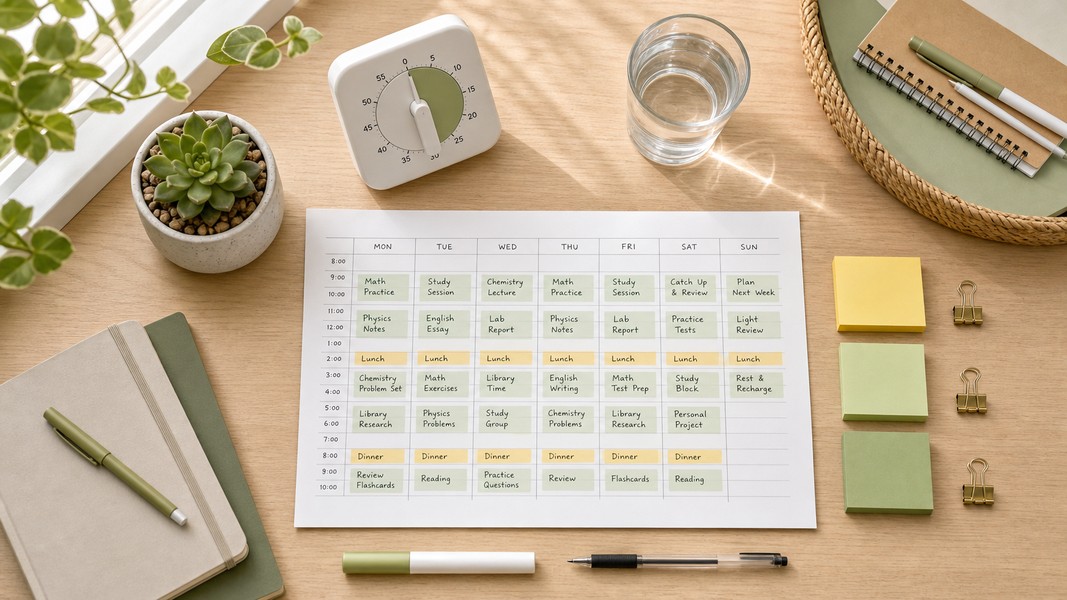
Struggling to manage your time as a student? These 7 evidence-backed tactics fix the real reasons students fall behind and waste hours.

Fathom AI is great for free Zoom notes, but it has real limits. Here are the best fathom ai alternatives for meetings, students, and multi-format capture.