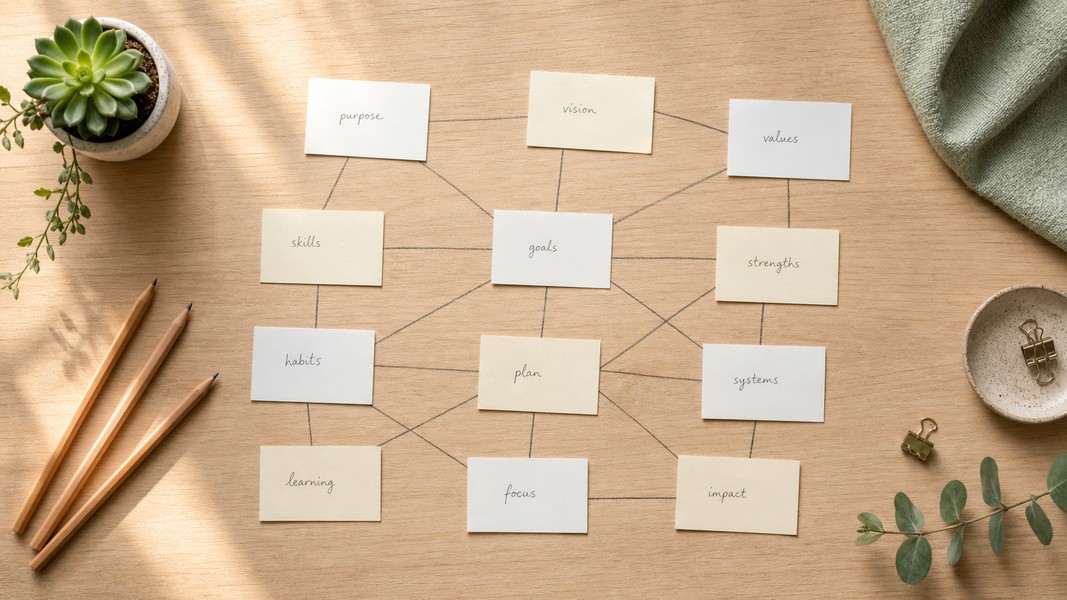
Zettelkasten: How to Build a Knowledge System
July 24, 2026
Learn how the Zettelkasten method works, why linked notes beat linear notebooks, and how to build your own knowledge system from scratch.

June 15, 2026
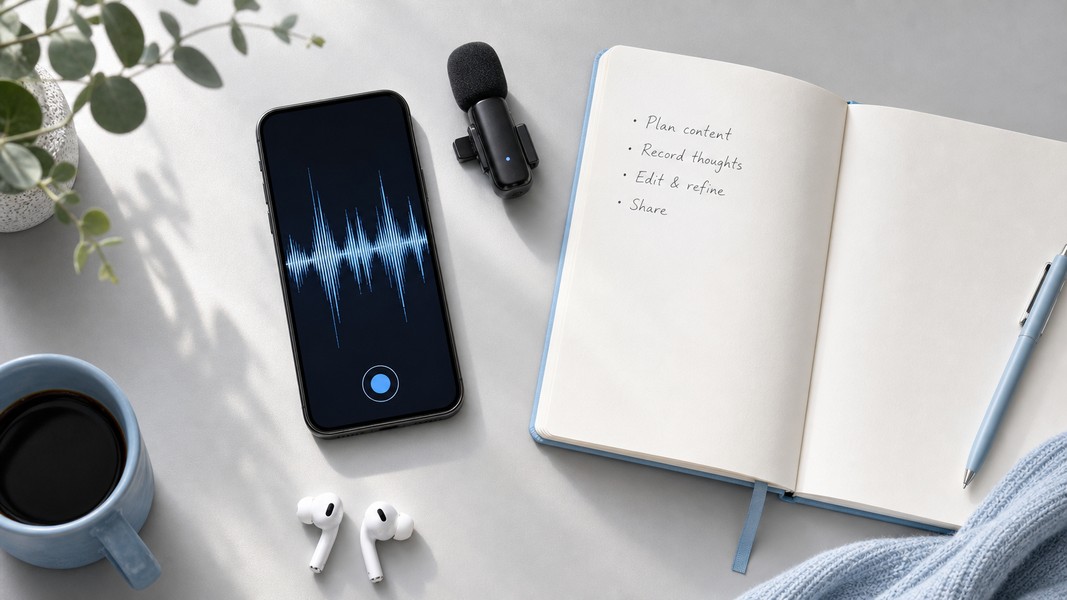
The best free AI note takers can save you from manual transcription while delivering summaries, action items, and study tools at no cost. After evaluating the leading options, the strongest free tools are Voice Memos, Fathom, Otter.ai, Fireflies.ai, Notta, tl;dv, and Google Meet's built-in transcription.
Most free tiers are generous enough to get started but are designed to push you toward an upgrade. The difference between a usable free plan and a frustrating one comes down to three things: monthly limits, which AI features are actually unlocked, and whether your recordings stick around. Here's how the top options compare.
| Rank | Tool | Best For | Free Tier Limits | Key Free Feature |
|---|---|---|---|---|
| 1 | Voice Memos | Students, multi-modal notes | Limited monthly recordings | Flashcards, quizzes, mind maps |
| 2 | Fathom | Unlimited meeting recording | Unlimited individual recordings | AI summaries and action items |
| 3 | Otter.ai | Live transcription | ~300 min/month | Real-time captions |
| 4 | Fireflies.ai | Conversation intelligence | Limited meetings | Sentiment analysis, talk time |
| 5 | Notta | File upload transcription | ~120 min/month | 40+ language support |
| 6 | tl;dv | Video highlights and clips | Limited recordings | Shareable video clips |
| 7 | Google Meet | Workspace teams | Varies by Workspace tier | No separate app needed |
Free plans vary widely in what you actually get. Some tools offer full functionality with modest caps; others use the free tier mostly as a teaser. We looked at five factors when ranking these tools.
Voice Memos stands apart in this category because it treats captured notes as a starting point, not a finished product. Where most AI note takers stop at a transcript and a summary, Voice Memos automatically generates flashcards, quiz questions, and mind maps from whatever you feed it.
That approach matters most for students. You can capture a lecture recording, a PDF chapter, a YouTube video, or a photo of handwritten notes, and the app processes all of it into organized notes and ready-to-use study materials. Most AI note takers only handle audio from live meetings. Voice Memos handles five distinct input types, which gives it a significant edge for academic use.
The free tier provides access to AI transcription in 40+ languages, automatic note generation across content types, and study modes including interactive quizzes and spaced repetition flashcards. The study features put it in a different category than meeting-focused tools that just log what was said.
Voice Memos is the strongest free option for students, language learners, and anyone who needs to do something with notes beyond storing them.
The automatic action detection is worth highlighting separately. When you process a recording or document, the AI scans for tasks, events, reminders, locations, and contacts and surfaces them as structured outputs. For a student managing multiple deadlines or a professional keeping track of commitments, that layer of intelligence is genuinely useful at no cost.
For a deeper look at how AI note-taking tools handle meeting workflows, this guide to how AI meeting notes work covers the underlying mechanics and what separates strong tools from weak ones.
Fathom offers the most generous free tier in the AI meeting recorder category: unlimited individual recordings and transcriptions with no monthly cap. Connect it to Zoom, Google Meet, or Microsoft Teams, and Fathom's bot joins, records, and delivers a structured summary immediately after the call ends.
Key takeaways, decisions, and action items appear automatically. Sales methodology templates including MEDDPICC, SPICED, BANT, and Sandler are available even on the free plan, which is unusual for a zero-cost tier. A basic version of Ask Fathom, which lets you query past call content, is also available.
The nuance is that some advanced AI operations are capped even though recording itself is unlimited. Extended cross-call queries and more sophisticated follow-up workflows are gated on paid tiers. For individual users who need reliable recordings and clean post-meeting summaries, though, the free plan holds up well over extended use.
Fathom follows a "free forever for individuals, paid for teams" model. The path to upgrade kicks in when organizations need shared workspaces, CRM write-back, and admin features, not when individual users hit a usage ceiling. That makes it an excellent fit for freelancers, solo consultants, and students who don't need the team layer.
The main trade-off compared to Voice Memos is depth of use case. Fathom excels at meeting documentation; it doesn't generate study materials or process uploaded files. If you're capturing professional calls, Fathom is hard to beat on the free tier.
Otter.ai is the established standard for real-time transcription. Its free plan includes approximately 300 minutes of transcription per month, with live captions appearing during meetings, speaker identification, and basic AI summaries.
Three hundred minutes sounds comfortable until you map it against a typical week. Three hours of weekly meetings or lectures fills it in roughly two weeks. Students recording multiple classes per week or professionals with a full meeting calendar hit the cap mid-month and then wait for the next cycle. That rhythm frustrates a lot of free users.
What Otter does particularly well on the free tier is the quality of live captions. Text appears in real time as speakers talk, which makes it useful for accessibility or when you need to follow a conversation and take notes simultaneously. The shared folders and searchable transcript database also make it a lightweight knowledge base for small teams evaluating the tool before committing to a paid plan.
Otter is best for students and professionals with moderate, predictable meeting volume. If your weekly recordings are consistent and fit within the monthly cap, the free tier is a reliable, mature option. If you regularly exceed it, you'll spend too much mental energy tracking limits.
Fireflies.ai has the richest feature set after Fathom, even though its limits are stricter. The AI notetaker bot auto-joins Zoom, Google Meet, and Teams calls. The post-meeting output goes beyond a transcript and summary: it includes sentiment analysis, speaker talk-time ratios, and topic tracking across the call.
That conversation intelligence layer is what makes Fireflies compelling for sales, recruiting, and customer success teams who want richer data from calls rather than just a record of what was said. The transcription supports more than 100 languages, which is also among the broadest in the category.
Free tier limits vary and the credit system that governs advanced AI features has been called confusing by multiple reviewers. The number of meetings you can process with full AI summaries is restricted, and recordings on the free plan may not be retained indefinitely. One commonly cited concern is that free recordings disappear after a few months, which creates friction for users who want to search older calls.
For ongoing individual use, the free tier works better as an evaluation than a permanent setup. For a team evaluating enterprise-grade conversation analytics before purchasing, Fireflies gives you a meaningful preview of what paid access delivers.
Notta handles both live meetings and uploaded audio and video files, which makes it more flexible than tools that only process calls through a bot. The free tier includes roughly 120 transcription minutes per month and supports direct file imports from cloud storage as well as browser-based recording.
For students who want to upload lecture recordings, interview audio, or podcast files after the fact, the import capability on the free tier is a practical advantage. Transcription supports more than 40 languages, and export options including text and document formats are available on the entry-level plan.
The lower monthly cap is the limiting factor. If you're recording multiple lectures per week, you'll run through the free quota quickly. Notta works well for occasional or project-based transcription rather than continuous high-volume use. Students with a heavy recording schedule will find the 120-minute ceiling too tight; lighter users will find it sufficient.
tl;dv takes a different angle than the other tools on this list. Rather than prioritizing transcript quality or summary depth, it focuses on making it easy to clip short video segments from recordings and share them with context intact.
The free tier includes a limited number of meeting recordings and basic AI notes. Where tl;dv earns its place is the highlights workflow: you can pull a specific moment from a call, annotate it, and push it directly to Slack or Notion. For teams that work async and need to share "watch this 30 seconds" clips without sending full recordings, that capability is genuinely useful.
For individual students or solo users, the highlights-first model is harder to take advantage of without a team to share with. tl;dv is a better fit for sales and customer success teams evaluating a clip-based workflow than for individual note-takers. If you're comparing tools for solo use, the other options on this list give you more per free tier.
Google Meet's built-in transcription and AI summaries are available on certain Google Workspace tiers. For teams already on a qualifying Workspace plan, the appeal is straightforward: nothing to install, no bot to invite, and transcripts save directly to Google Docs in Drive.
For most free users, though, Google Meet's transcription is not reliably accessible. AI summaries and action item extraction through Gemini tie to higher Workspace licenses, and personal Google account holders typically get live captions during calls but not persistent transcript files afterward.
If your organization runs on Workspace and you just need basic meeting documentation without adding a third-party vendor, the native transcription is worth enabling. For everyone outside that setup, a dedicated AI note taker will give you more consistent access across meeting platforms and a broader feature set on the free tier.
Not all free plans are built the same, and the best tool depends heavily on how you'll actually use it.
Monthly limits versus unlimited recording. Most free tiers cap you somewhere between 120 and 300 minutes per month. Fathom is the primary exception with unlimited individual recordings. If you have a predictable high volume of meetings or lectures each week, that cap will become your first bottleneck regardless of how good everything else is.
Live transcription versus file uploads. Some tools only process meetings through a bot that joins calls live. Others let you upload recordings after the fact. If you record on a separate device, use a platform the bot doesn't support, or want to process archived files, you need a tool with import capability rather than a bot-only setup.
What the AI actually generates on the free plan. There's a wide spectrum from "here's your transcript" to "here's a structured summary with action items, speaker analysis, and suggested follow-ups." Some tools gate their best AI outputs behind paid tiers and only show you a teaser on free. Check that the outputs you care about are available before committing to a workflow built around a specific tool.
Study features versus meeting features. The tools on this list split into two groups: meeting-optimized (Fathom, Otter.ai, Fireflies.ai, tl;dv) and multi-purpose or study-oriented (Voice Memos, Notta). If your primary use case is academic rather than professional, a meeting tool's free tier will give you transcripts but miss the study capabilities that make those transcripts useful for learning.
Recording retention. Some free plans delete recordings or transcripts after 30 to 90 days. If you need notes to persist through a full semester, a long project, or an ongoing research effort, check the retention policy before you build a workflow around a tool that might delete your data mid-way through.
For a comparison focused on professional workflows and team features, this breakdown of AI note takers for professionals covers what changes when you add team size and integration requirements to the equation.
The best free AI note taker depends on what you need notes to actually do. Fathom wins for anyone who wants unlimited individual meeting recording without tracking minutes. Otter.ai is the most established choice for reliable live transcription with a moderate monthly cap. Fireflies delivers the richest conversation analytics. Voice Memos is the strongest pick if your notes need to become study materials rather than just documents.
Most free plans are designed to get you started, not to sustain heavy use indefinitely. The tools that hold up best are the ones where the free limits match your actual volume: a light meeting schedule, occasional file uploads, or a solo workflow that doesn't need team features.
Pick the tool whose free capabilities fit your current needs, and upgrade only when you run into a genuine, consistent wall.
Discover more insights and tips to enhance your productivity
Learn how the Zettelkasten method works, why linked notes beat linear notebooks, and how to build your own knowledge system from scratch.
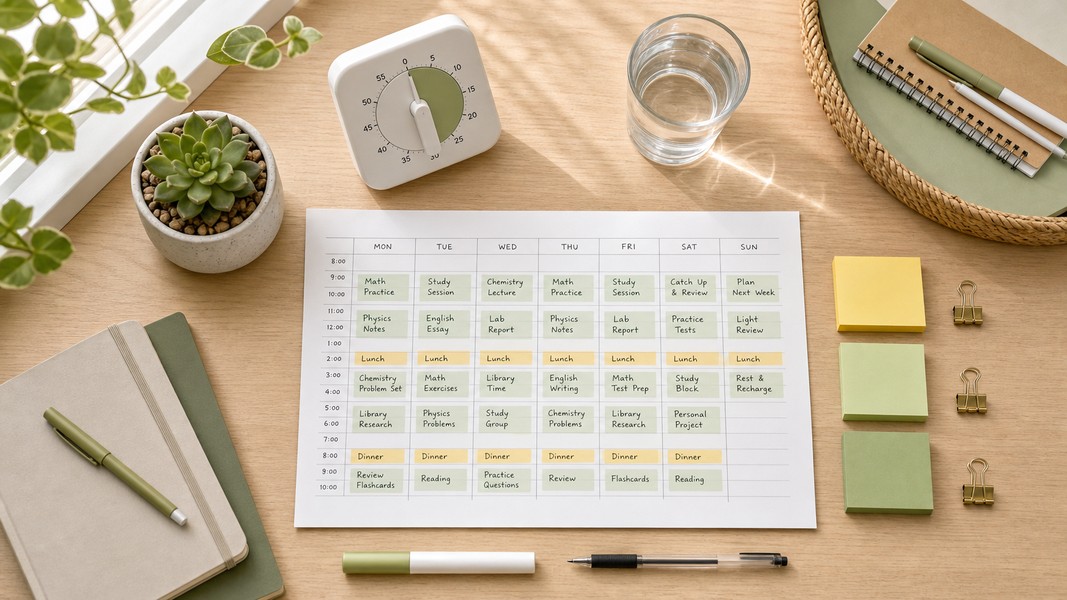
Struggling to manage your time as a student? These 7 evidence-backed tactics fix the real reasons students fall behind and waste hours.

Fathom AI is great for free Zoom notes, but it has real limits. Here are the best fathom ai alternatives for meetings, students, and multi-format capture.