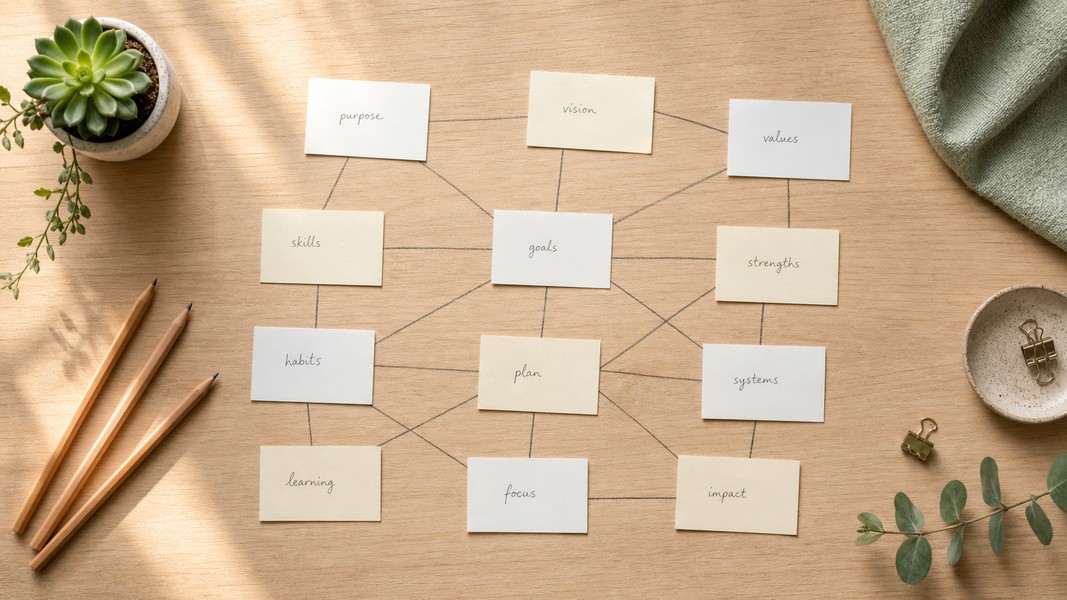
Zettelkasten: How to Build a Knowledge System
July 24, 2026
Learn how the Zettelkasten method works, why linked notes beat linear notebooks, and how to build your own knowledge system from scratch.


April 25, 2026
Apple's built-in recording app does the basics reliably: tap, record, stop. But the moment you want to search a transcript, extract action items automatically, or turn a lecture into study flashcards, it stops short. The right voice memo app for iPhone goes much further, and the options have gotten significantly more capable in the last two years.
This guide covers the six best apps for recording, transcribing, and processing audio on iPhone, with specific recommendations by use case so you can choose without guessing.
| Rank | App | Best For | Standout Feature |
|---|---|---|---|
| 1 | Voice Memos | Students & professionals | AI transcription + study tools + action detection |
| 2 | Otter.ai | Meeting-heavy teams | Real-time summaries and speaker identification |
| 3 | Just Press Record | Fast everyday capture | One-tap recording across all Apple devices |
| 4 | Whisper Notes | Privacy-first users | 100% offline transcription, no cloud uploads |
| 5 | VoiceScriber | Multilingual professionals | 100+ language support, full on-device processing |
| 6 | iPhone Voice Memos | Casual, occasional notes | Built-in, free, seamless iCloud sync |
Three criteria shaped every ranking in this comparison.
Transcription quality matters most for anyone who records to actually use the content. An app that mishears one word in five creates more cleanup work than it saves. We looked at language support, accuracy under real-world conditions like background noise and fast speech, and whether transcription happens on-device or through external servers.
AI capabilities are what separate modern apps from basic recorders. The best voice memo apps don't just transcribe: they summarize recordings, extract action items, identify who said what, and in some cases generate study materials directly from your audio. The gap between a recorder and an AI-powered app is large enough to affect how useful recordings actually become.
Ease of use is the third filter. Recording should start in one tap. Organization should happen automatically. Playback should let you skip silence or adjust speed without digging through menus. Apps that add friction rarely get used consistently.
Voice Memos is the most capable AI voice memo app for iPhone on this list. It goes well beyond capturing audio: every recording is automatically transcribed, and the AI scans the content to extract tasks, events, reminders, contacts, and locations without any manual tagging required.
Where Voice Memos stands apart is what happens after the recording ends. Students can turn any lecture or class audio into spaced repetition flashcards, AI-generated quizzes, a visual mind map, or a deep research session that pulls additional context beyond the raw transcript. For professionals, the automatic extraction of action items and follow-ups from meeting recordings solves the most common pain point: the things that get lost between a call ending and the follow-up being sent.
The input flexibility is also unusual. Voice Memos isn't limited to audio: paste a YouTube URL and the app processes the video transcript the same way it handles a live recording. Upload a PDF, photograph handwritten notes with the camera, or type directly. All inputs run through the same AI pipeline, which means you can mix sources freely.
Transcription supports 40+ languages with automatic translation, which puts it ahead of most competitors in international contexts. The dyslexic-friendly formatting mode, which restructures content using patterns that improve readability for dyslexic readers, is a genuine accessibility feature with no direct equivalent in competing apps.
Voice Memos is best for: Students who record lectures and want to study from them, professionals who track meeting commitments, and anyone whose workflow crosses multiple content types beyond just audio.
The app is available on iOS, Android, and web. If you want a broader view of AI-powered tools for note-taking, this guide to AI note-taking features explains what differentiates apps in this category.
Otter.ai is the established choice for meeting transcription and has earned that position. It transcribes in real time, identifies different speakers in the conversation, and generates a summary with highlighted action items when the session ends. For teams that run frequent meetings and need a reliable shared record, this is a well-tested solution.
The main constraint is privacy. Otter.ai is cloud-based, which means recordings and transcripts are processed and stored on external servers. For anything involving legally sensitive, medically confidential, or strategically private conversations, that's a meaningful limitation to weigh.
The free tier limits monthly transcription time, and the more powerful AI features sit behind a paid plan. For light users or infrequent meetings, the free version may be sufficient. For heavier use, it becomes a recurring cost.
Otter.ai is best for: Teams that meet frequently and need a shared, searchable record of what was discussed and what was decided. Less suited for solo users or privacy-sensitive contexts.
Just Press Record is built around one idea: the fastest possible path from thought to recorded audio. A single tap starts recording. The app syncs everything through iCloud, so a recording started on your iPhone appears instantly on your Mac, iPad, or Apple Watch.
Transcription is included, but AI analysis is not the focus here. There are no summaries, no action item extraction, no study tools. The app is a precision tool for users who capture frequently and process manually, not for users who want the recording to do the analytical work.
If you record quick voice memos throughout the day and review them yourself later, Just Press Record is the most frictionless option in the Apple ecosystem.
Just Press Record is best for: Apple users who prioritize speed and cross-device reliability over AI processing.
Whisper Notes runs transcription entirely on-device using OpenAI's Whisper model, which means no audio ever leaves your iPhone. No internet connection required, no data sent to external servers. For users in environments where that matters, whether on flights, in clinical settings, or simply by preference, this is the clearest privacy-first option.
The trade-off is a narrower feature set. Whisper Notes transcribes accurately, but it doesn't summarize, extract action items, or generate any downstream study or work materials. It's a focused tool that does one thing well.
The one-time purchase model also stands out in a category where subscriptions are common. You pay once and own it.
Whisper Notes is best for: Users for whom privacy is the primary criterion and who don't need AI features beyond transcription.
VoiceScriber supports over 100 languages and processes everything on-device, which makes it a practical option for journalists, legal professionals, and researchers who work in multilingual environments or travel frequently. The searchable transcript library means you can find a phrase across all your recordings without manually reviewing each one.
Like Whisper Notes, VoiceScriber prioritizes privacy and offline reliability over AI features. You get accurate, searchable, multilingual transcription without summaries or smart organization layers. For workflows where the priority is capturing verbatim records rather than extracting structured data from them, this approach is the right fit.
VoiceScriber is best for: Professionals in multilingual contexts who need reliable on-device transcription across many languages.
Apple's native app is free, requires no setup, and is already on your phone. Transcription is available on iPhone 12 and newer devices in supported languages and regions, but it's basic: you get searchable text, not AI summaries or detected action items.
For casual personal notes: reminders to yourself, quick ideas, short messages, it's the most convenient starting point. For lecture recording, professional meetings, or any context where you plan to act on what you captured, the limitations become apparent quickly.
Apple Voice Memos is best for: Occasional personal notes where replaying the audio is sufficient and no further processing is needed.
The right app depends on how you actually use recordings after you make them.
Transcription quality and language support vary significantly across this category. If you record in multiple languages or need near-perfect accuracy for professional use, compare specifically how each app handles language diversity and whether it processes audio locally or through external servers.
AI capabilities matter if you want to extract value from recordings beyond replaying them. The ability to detect action items, generate summaries, or build study materials from audio changes how much work happens automatically versus manually.
Privacy model is a practical decision. Cloud-based apps offer richer AI features but send your data to external servers. On-device apps like Whisper Notes and VoiceScriber keep everything local. What you're recording and who can access it should inform this choice.
Multi-modal input is a differentiator that matters for users who pull content from multiple sources. If you want to handle PDFs, screenshots, and YouTube videos with the same workflow as audio recordings, only a handful of apps support that.
For a broader comparison across devices, the guide to note-taking apps for iPad covers related tools including handwriting and visual note-taking options.
The best voice memo app for iPhone depends on what you plan to do with recordings once they exist. Apple's built-in app is adequate for quick, disposable notes. Just Press Record is the fastest option for cross-device Apple users. Whisper Notes and VoiceScriber are the right choices when privacy and offline reliability are the priority.
For students who record lectures, professionals who track meeting commitments, or anyone who wants recordings to become organized, actionable content, the AI layer matters. The difference between a basic recorder and an app that transcribes, detects action items, and generates study materials is significant. Choosing the right app at the start saves time every time you record.
Discover more insights and tips to enhance your productivity
Learn how the Zettelkasten method works, why linked notes beat linear notebooks, and how to build your own knowledge system from scratch.
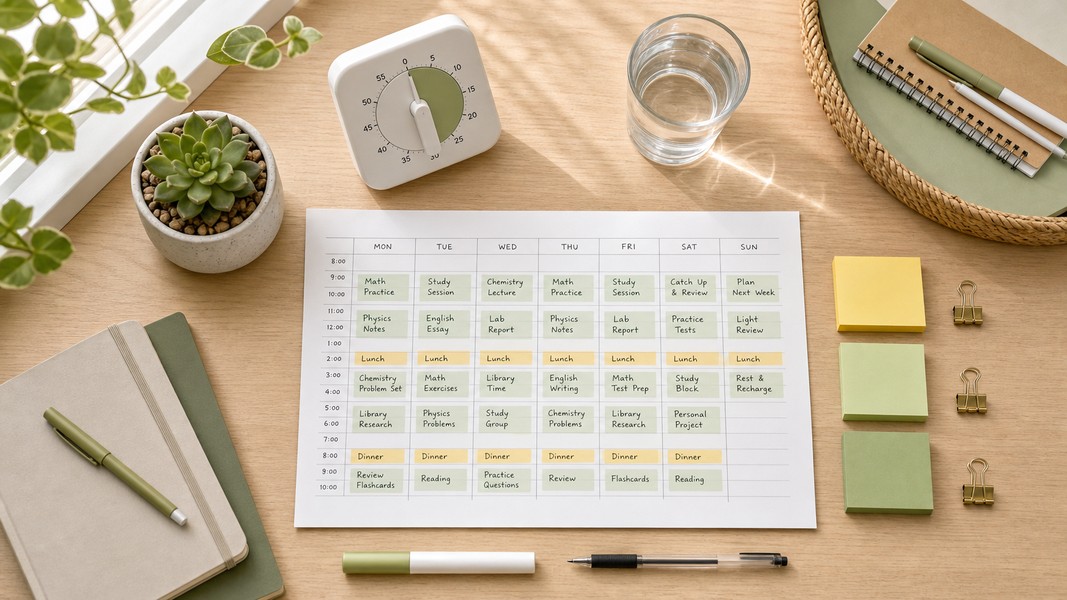
Struggling to manage your time as a student? These 7 evidence-backed tactics fix the real reasons students fall behind and waste hours.
Fathom AI is great for free Zoom notes, but it has real limits. Here are the best fathom ai alternatives for meetings, students, and multi-format capture.