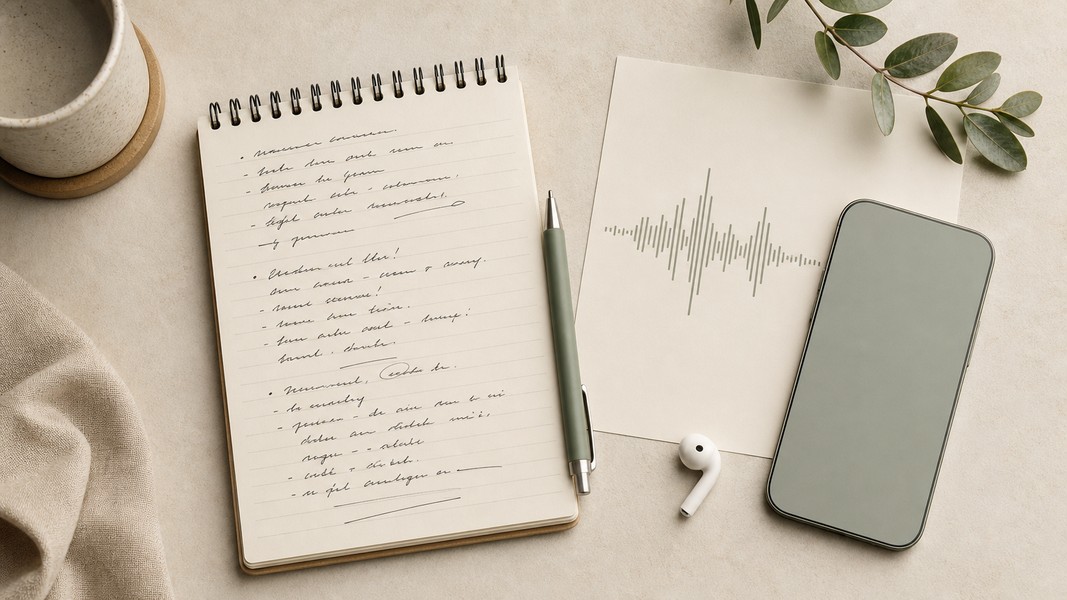
Best Voice Notes Apps: Top Picks Tested
July 17, 2026
The best voice notes app does more than record. Compare top AI-powered picks for students and professionals, including transcription, summaries, and study tools.


July 18, 2026
A one on one meeting is a recurring private conversation between a manager and a direct report. When they work, they improve trust, unblock progress, and give both sides a space to give and receive feedback. When they fail, they drain time without producing anything useful.
The difference usually comes down to structure. A clear one-on-one meeting template sets the agenda before the conversation starts, keeps the focus on what matters, and closes with explicit next steps. This guide covers the templates, questions, and follow-up practices that make 1:1s worth keeping on the calendar.
According to Gallup research, managers account for the majority of variance in employee engagement, which makes the manager-employee relationship one of the highest-leverage investments of any leader's time. One-on-ones are the primary vehicle for that relationship: they create a recurring, protected space for open conversation that group meetings rarely allow.
Effective 1:1s increase clarity and accountability. They surface blockers early, give employees a place to raise concerns before they become bigger problems, and end with specific next steps that both sides can act on. Done consistently, they reduce the number of ad hoc interruptions throughout the week because people know they have a dedicated slot coming up.
The other benefit is often underestimated: regular 1:1s make feedback routine rather than reserved for performance reviews. That shift changes how feedback lands. Incremental, frequent feedback is easier to act on than a summary delivered months after the fact.
The most common failure mode is turning the meeting into a status update. When a manager spends the entire time asking "what are you working on?", the conversation could have been an email. Status can be shared asynchronously before the meeting so the live time goes toward discussion, decisions, and development.
A second failure mode is manager dominance. When the manager talks more than the direct report, asks leading questions, or jumps to solutions too quickly, the meeting stops being useful for the person it is supposed to serve. Best practice is to put the employee's topics on the agenda first and spend most of the time listening and asking questions rather than advising.
Weak preparation causes meetings to drift. Without a shared agenda built up over the week, conversations start from scratch each time and rarely go deep enough to be useful. The fix is simple: both people add topics to a shared running note between meetings, so there is always something ready to discuss.
The final failure mode is ending without commitments. If a 1:1 wraps up without clear action items, owners, and due dates, the conversation disappears and nothing changes. Every meeting should close with a two-minute review of what each person will do before the next one.
A recurring weekly or biweekly 1:1 needs a consistent structure that both people can follow without re-inventing it each time. The goal is to create a predictable rhythm where both sides know what to expect and come prepared.
A complete weekly one-on-one should cover these areas in order: a brief check-in on wellbeing and workload, the direct report's wins and progress since last meeting, active blockers or decisions that need support, shared priorities for the coming period, two-way feedback, a short growth or development topic, and explicit action items to close.
The employee's agenda items always come first. This signals that the meeting is primarily for the direct report, not the manager. It also means the most important conversations happen while both parties still have energy, rather than getting squeezed at the end.
Keep a single running note for each direct report. Roll unfinished action items into the next meeting's agenda automatically. If an item appears on three consecutive agendas without progress, that is a signal to either remove it or make it the focused topic of the next session.
The first one-on-one with a new hire or a new direct report has a different purpose. The goal is not performance review or accountability. It is establishing expectations, building psychological safety, and giving the new person space to ask questions.
Start with how they prefer to work and communicate. What kind of feedback do they find useful? How do they like to receive it? Do they prefer written updates or verbal check-ins? These questions surface preferences before patterns form.
Cover what "good" looks like in the first 30, 60, and 90 days. Many new employees carry anxiety about whether they are meeting expectations. Being explicit early removes that uncertainty and gives both sides a shared reference point.
Reserve time for the new employee to name what is confusing, what they are missing, and what feels overwhelming. People rarely volunteer this in their first weeks without being asked directly. Ask what would make the first few weeks easier, what introductions would help, and what they need to feel set up for success.
Close the first meeting with two or three concrete follow-ups: an introduction to schedule, documentation to share, a decision to make. That follow-through in the days after the first 1:1 has a disproportionate impact on trust.
Periodic 1:1s focused on career development and performance need a different structure than the weekly check-in. These are typically monthly or quarterly and run longer, usually 45 to 60 minutes.
The conversation should move away from task review toward the bigger picture: how the person is growing, what their next ambitions are, and what support they need to get there. Specific areas to cover include progress against goals or OKRs, evidence of strengths in practice, one area to develop further, career aspirations over the next one to two years, and concrete development commitments before the next session.
Avoid generic development conversations. Instead of asking "how do you want to grow?", ground the discussion in specific moments: what project stretched them most, what situation they handled differently than they would have six months ago, and what kind of challenge they want more of. Concrete examples make the conversation actionable rather than abstract.
These sessions also benefit from two-way feedback. Ask what you could do more of, less of, or differently as a manager. The willingness to ask this question, and act on the answer, is one of the strongest signals a manager can send about the relationship.
Good 1:1 questions are open-ended, specific, and tied to a purpose. The following examples cover the most important categories:
Wellbeing and workload: How are you really doing? Is your workload sustainable right now? What would make this week easier? What is feeling heavy or draining?
Progress and wins: What are you most proud of since we last met? What moved forward that felt important? What progress would you want recognized?
Blockers and support: What is stuck? Where do you need a decision, introduction, or unblocking help? If you could remove one obstacle today, what would it be?
Career and growth: What skills do you want to build next? What kind of work would you like more of? What would make the next six months feel like real growth to you?
Feedback and reflection: What should I do more of, less of, or differently as your manager? What feedback would help you most right now? How did that project go from your perspective?
Rotate through these categories rather than using the same questions every week. Predictable questions produce predictable answers. Varying the focus keeps the conversation fresh and surfaces different information over time.
A 30-minute weekly 1:1 works well with the following time split: two to three minutes for a quick check-in, twelve to fifteen minutes for the employee's topics and blockers, five to seven minutes for manager feedback or guidance, three minutes for a growth or coaching topic, and two minutes to close with action items.
A 45 to 60 minute biweekly session can expand each section: five minutes for check-in, fifteen to twenty minutes for the employee's priorities and blockers, ten to fifteen minutes for manager feedback and alignment, ten to fifteen minutes for career and development, and five minutes to confirm commitments and close.
Put the employee's topics on the agenda first in both formats. Time-box each section loosely so the status portion does not crowd out the development conversation. If the discussion on one topic goes long and time is running short, explicitly choose what to carry forward rather than rushing through everything.
The most important agenda design rule is to end every session with action items. Name the item, identify the single owner, and attach a due date. Two committed people leaving a meeting with three clear next steps accomplish more than ten people leaving a vague brainstorm with no owner.
Use a shared document or note that both people can edit between meetings. Both the manager and the direct report should add topics as they come up through the week, so the agenda builds itself rather than requiring a last-minute scramble before the meeting starts. This approach also reduces the number of Slack interruptions because smaller questions can be added to the agenda instead.
For a consistent format you can adapt and reuse, an meeting minutes template gives you a starting structure for capturing outcomes and tracking follow-ups across sessions.
The follow-up is where most 1:1s break down. The conversation goes well, the ideas flow, and then nothing happens. Two weeks later, both parties vaguely remember that something was supposed to happen but cannot remember what.
The fix is a consistent capture system. Every commitment from a 1:1 should become a written action item with one owner and a due date. Review the previous meeting's action items at the start of the next one. If something was not completed, discuss why before moving on. Unfinished commitments that carry forward without explanation signal that the system is not being taken seriously.
Keeping a single living document per direct report, rather than a separate note for each meeting, makes this much easier. Unfinished items from meeting three are visible in meeting four. Patterns emerge over time: which topics keep surfacing, which blockers keep reappearing, which commitments consistently slip.
If a 1:1 involves significant planning or produces many interdependent decisions, move those discussions to a separate working session. The 1:1 is not the right format for complex problem-solving. Keep it focused on the relationship, feedback, and development.
Voice Memos can help if you record your 1:1 sessions. The app transcribes the recording and automatically identifies action items, follow-ups, reminders, and contacts from the conversation, so you leave with a structured list rather than scrambled notes from memory. You can also review AI meeting notes to understand how these tools work and which scenarios they fit best.
For teams where 1:1s are recorded, the ability to extract specific commitments from the transcript removes the most common follow-up failure: not knowing exactly what was agreed. With Voice Memos, action items from the conversation surface automatically, so nothing gets lost between a good discussion and the next working day.
A one-on-one meeting template is the starting point, not the destination. The questions, agenda structure, and follow-up practices in this guide work because they put the direct report's topics first, close every meeting with explicit commitments, and create a rhythm of consistent follow-through.
The quality of 1:1s usually comes down to two habits: preparing before the meeting starts and capturing action items before the conversation ends. Get those two things right and the rest of the structure will fall into place.
Discover more insights and tips to enhance your productivity
The best voice notes app does more than record. Compare top AI-powered picks for students and professionals, including transcription, summaries, and study tools.
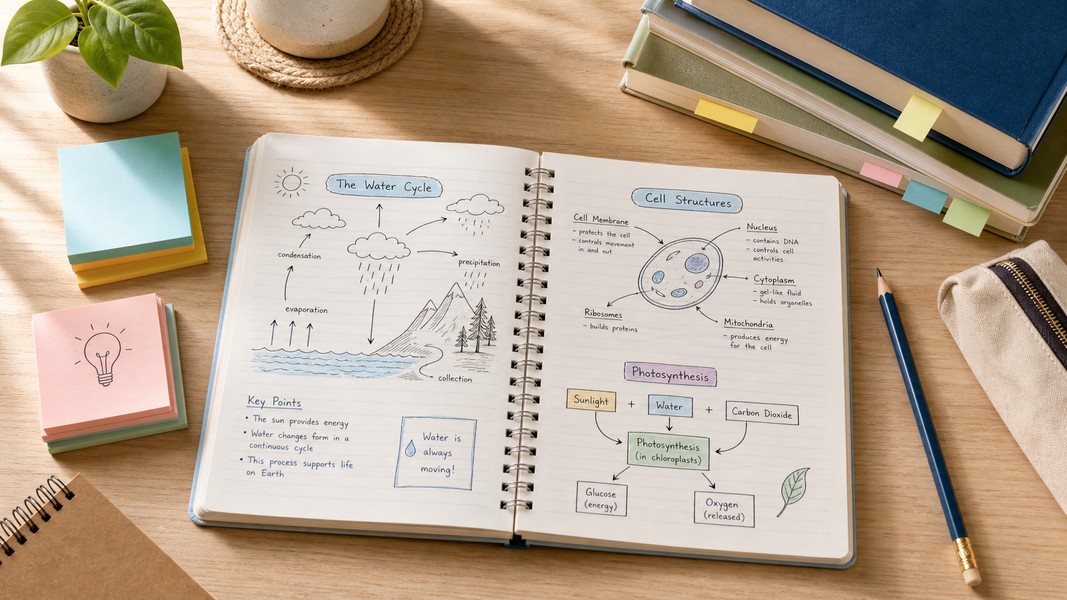
Dual coding theory shows that pairing text with visuals improves memory and recall. Learn how to use it with diagrams, mind maps, and structured notes.

Learn how the Pomodoro Technique works, how to use it for studying, why it boosts focus, and how to adapt it for ADHD and different subjects.