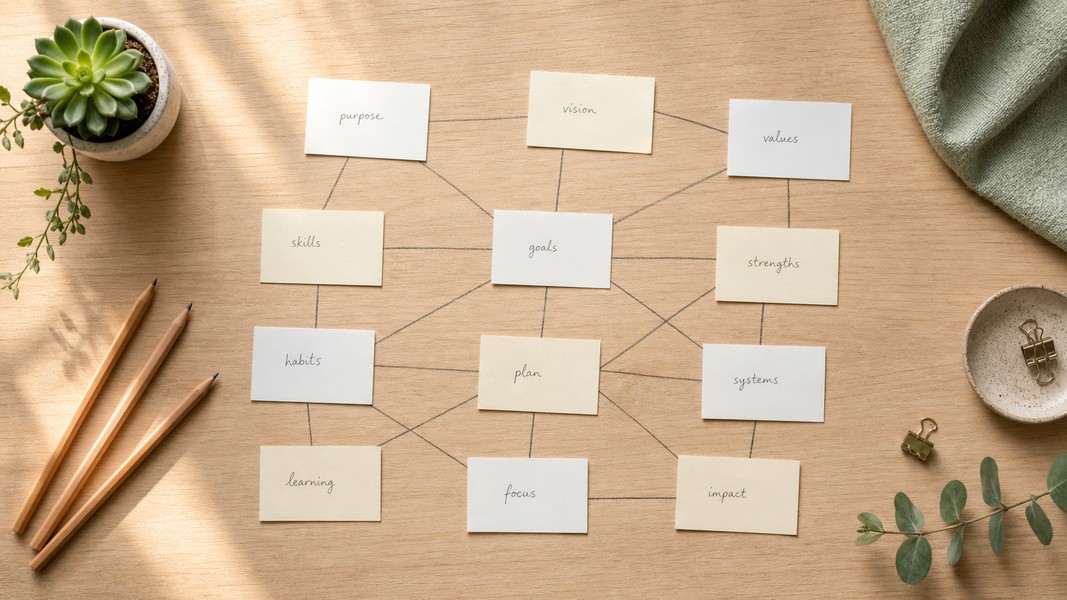
Zettelkasten: How to Build a Knowledge System
July 24, 2026
Learn how the Zettelkasten method works, why linked notes beat linear notebooks, and how to build your own knowledge system from scratch.

March 28, 2026
Converting a YouTube video to notes used to mean pausing every 30 seconds, rewinding, and trying to type fast enough to keep up. With AI, you paste the URL and get organized, structured notes in under two minutes. The tool transcribes the audio, identifies the key points, and returns a readable document. No rewinding. No frantic typing while the lecturer keeps talking.
If YouTube is part of your study routine, you already know the problem. You watch a 45-minute lecture, feel like you followed everything, and then struggle to recall much of it by the next day. Studies show that lengthy educational videos produce retention rates as low as 23% when viewed passively. Structured notes change that by making you process the content rather than just consume it.
This guide walks you through the complete workflow: from pasting a youtube video to notes conversion all the way to building flashcards and quizzes from the content.
YouTube has 2.70 billion monthly active users as of 2025, including high engagement among adults aged 18-34, who represent YouTube's largest demographic. Users collectively watch over 1 billion hours of video daily, with educational content growing steadily alongside the platform's expansion. University lectures, textbook walkthroughs, tutorial series, and subject-specific channels have made it a first-stop resource for students who learn better from audio and visual explanation than from reading.
The challenge is that watching is not the same as learning. Educational video relies on the viewer paying sustained attention across long stretches of continuous content, with no natural pause points built in. Without a system for capturing the key ideas, most of what you watch is gone within a day.
Before starting, you need three things:
Voice Memos accepts YouTube URLs directly on the main capture screen. Paste the link, and the AI handles transcription and note structuring automatically. No browser extensions, downloads, or copy-pasting of raw transcripts needed.
AI note-taking from YouTube works best with videos built around clear verbal explanation. Lectures, tutorials, documentary-style content, and narrated walkthroughs produce the most complete transcripts.
Videos that rely heavily on on-screen visuals without narrating them - diagrams drawn in silence, equations on a whiteboard, or demonstrations with minimal commentary - will have gaps in the AI output because the tool processes audio, not image content. For those sections, plan to annotate manually after the AI generates the initial notes.
Caption quality also matters. YouTube's auto-generated captions work well for clear speech in standard English but lose accuracy with strong accents, background noise, or rapid speech. Videos where the creator manually uploaded a transcript tend to produce cleaner AI notes.
Copy the YouTube video URL from your browser and paste it into your AI tool. In Voice Memos, this is the YouTube input on the main capture screen.
The tool fetches the video's transcript, processes it through the AI, and returns structured notes. What comes back is not a raw transcript - it is an organized document with titled sections, key points per section, and a readable hierarchy that matches the structure of the lecture. A 30-minute lecture typically becomes one to two pages of organized notes.
The core difference between a raw transcript and AI notes is structure. A transcript gives you every word spoken, in order, with no editing. AI notes give you the meaning, organized so you can review what matters without reading line by line.
AI notes are a strong starting point, not a final product. After the tool generates your notes, read through them with the video still available in another tab. Look for sections where the AI captured the words but missed the visual context - a graph being described, an equation being written, or a diagram being explained. Add annotations for those sections yourself.
Also check technical terminology. AI transcription handles common vocabulary well but can misspell or misidentify specialized terms in medicine, law, engineering, and science. Review any section with dense technical language against the original video, and correct terms before moving to the next step.
This review process is where active learning starts. Comparing the AI output against what you understood from the video reinforces the material in a way that rewatching alone does not.
Once your notes are clean, generate study materials from them. This shifts the workflow from passive capture to active preparation.
Flashcards are the most effective first step. A good AI tool extracts Q&A pairs directly from your notes - turning a section on the cardiovascular system, for example, into definition cards with the question on the front and the answer on the back. AI flashcard tools work best when the source notes are already structured, which is why clean AI notes produce better card sets than raw transcripts.
After generating flashcards, run a quiz on the same material. Retrieval practice - testing yourself rather than re-reading - is one of the most evidence-backed methods for improving long-term retention. Memory research consistently shows that students who test themselves after studying retain significantly more than those who study by reviewing material again. Voice Memos generates quizzes from your notes natively, so you can go from YouTube URL to a testable set of questions without switching between tools.
Work with videos under 30 minutes when possible. Longer videos often cover multiple sub-topics, and the AI may group loosely related sections together. If you are working with a long lecture, check whether the video has chapter markers - you can process one chapter at a time for more focused notes.
For technical subjects, cross-reference with a second source before building flashcards. AI notes summarize what was said in the video. If the video has errors or gaps, the notes will too. An AI PDF summarizer can process your textbook chapters in the same workflow, letting you compare the video's explanation against the written source before committing to a set of study cards.
Add personal examples after reviewing. AI notes summarize the source material but do not connect it to your own experience. After reading through your notes, write one or two examples from your own context for each major concept. This ties abstract ideas to something concrete, which makes them easier to retrieve under exam conditions.
If your notes feel shallow or too brief, the video likely relied on visual explanation without enough verbal narration. The AI cannot infer meaning from silent visuals. Watch those sections again, pause on the key visuals, and add your own annotations in the notes for each gap.
If technical terms are misspelled or wrong, that is a transcription accuracy issue. Review the affected sections against the original video and correct terms manually. For subjects with heavy specialized vocabulary, keep the video open at half-speed for the review pass so you can catch terms that were phonetically close but semantically wrong.
If the AI's section structure does not match the logical flow of the lecture, reorganize the notes before generating flashcards. The AI structures content based on the transcript, not on any visual chapter breaks the creator used. A few minutes of manual restructuring produces a much cleaner flashcard set.
This workflow is most valuable for content-dense video where the primary goal is to learn and retain information. Lectures, academic explainers, technical tutorials, and structured courses are strong candidates. Motivational content, entertainment-focused channels, or videos that are already highly structured around visuals are less suited to this approach.
It works particularly well for remote learners and students in online programs who rely on video as their primary lecture format. When in-person review and discussion are not available, converting lectures to notes and study materials can replicate the study infrastructure of a traditional classroom setting.
It also suits language learners and international students who struggle with lecture comprehension in a second language. Processing a video into text first - then translating and annotating - is far more practical than rewatching with subtitles and hoping the meaning sticks. The AI-generated notes become a bridge between the spoken content and your actual understanding of it.
Converting a YouTube video to notes with AI replaces a passive watching habit with a structured learning workflow. Paste the URL, let the AI generate organized notes, review and annotate for gaps, then generate flashcards and a quiz from the output. The full process from video to study-ready materials takes under 10 minutes for a standard lecture. The improvement in what you actually retain from the content is the compounding benefit over time.
Discover more insights and tips to enhance your productivity
Learn how the Zettelkasten method works, why linked notes beat linear notebooks, and how to build your own knowledge system from scratch.
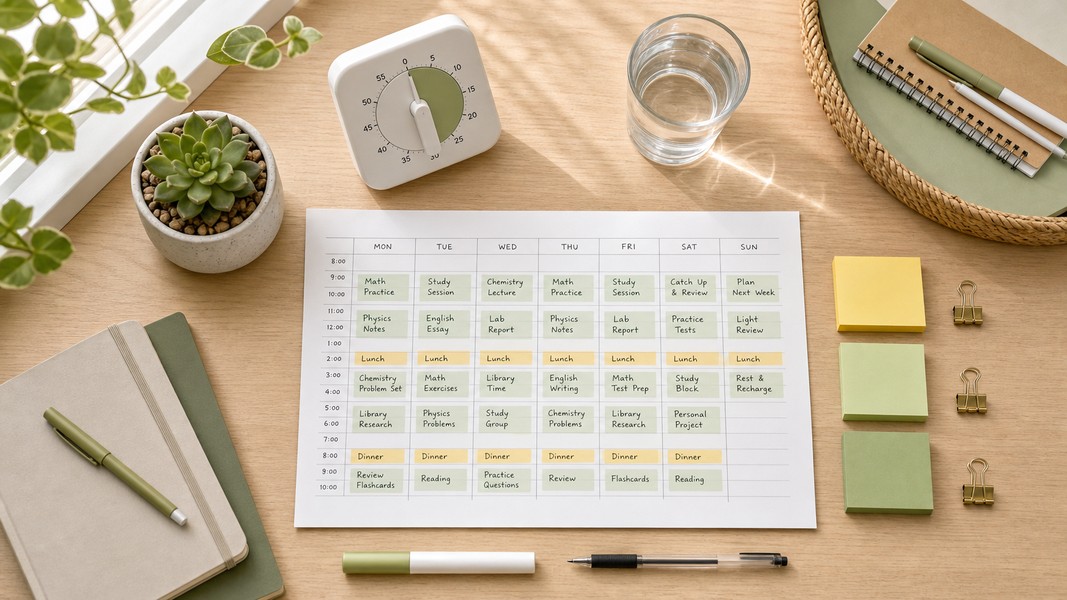
Struggling to manage your time as a student? These 7 evidence-backed tactics fix the real reasons students fall behind and waste hours.
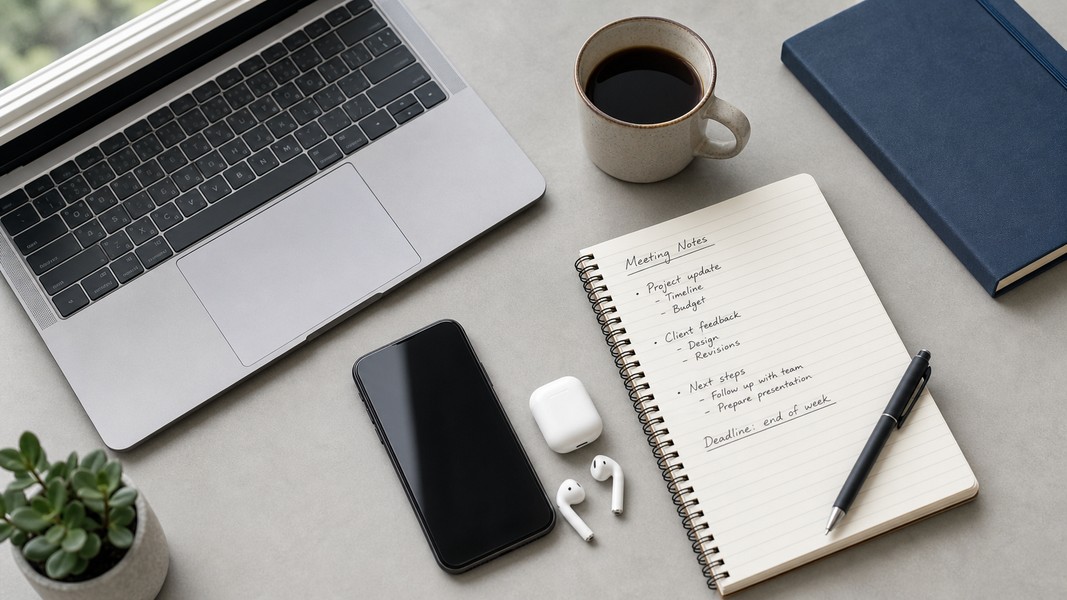
Fathom AI is great for free Zoom notes, but it has real limits. Here are the best fathom ai alternatives for meetings, students, and multi-format capture.